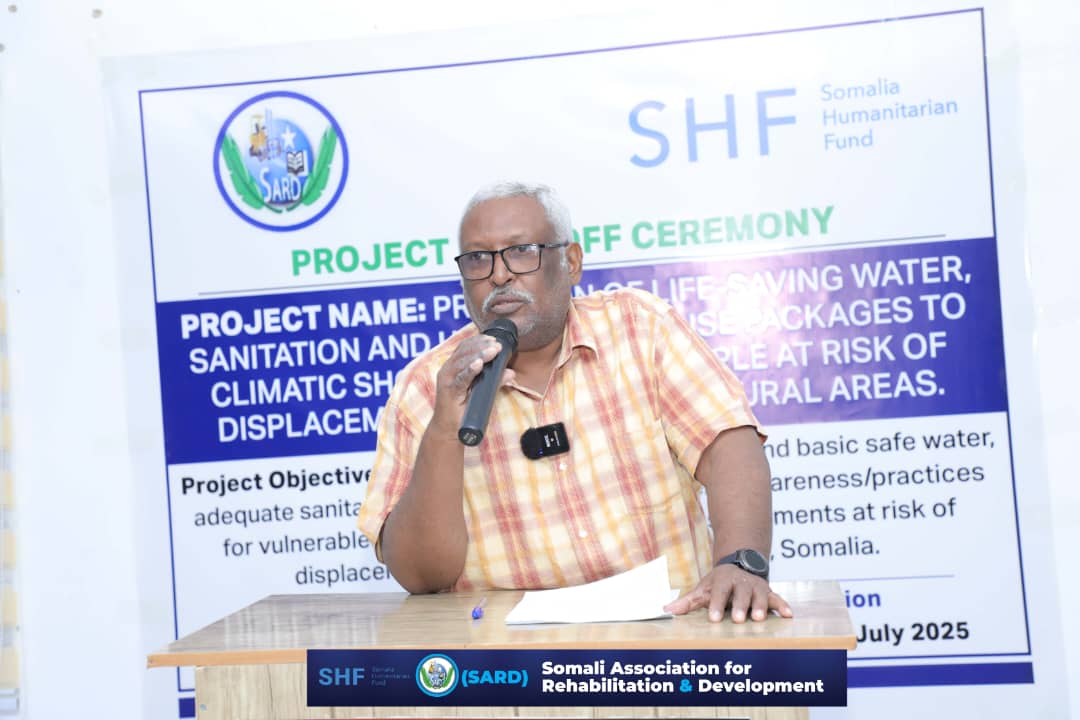
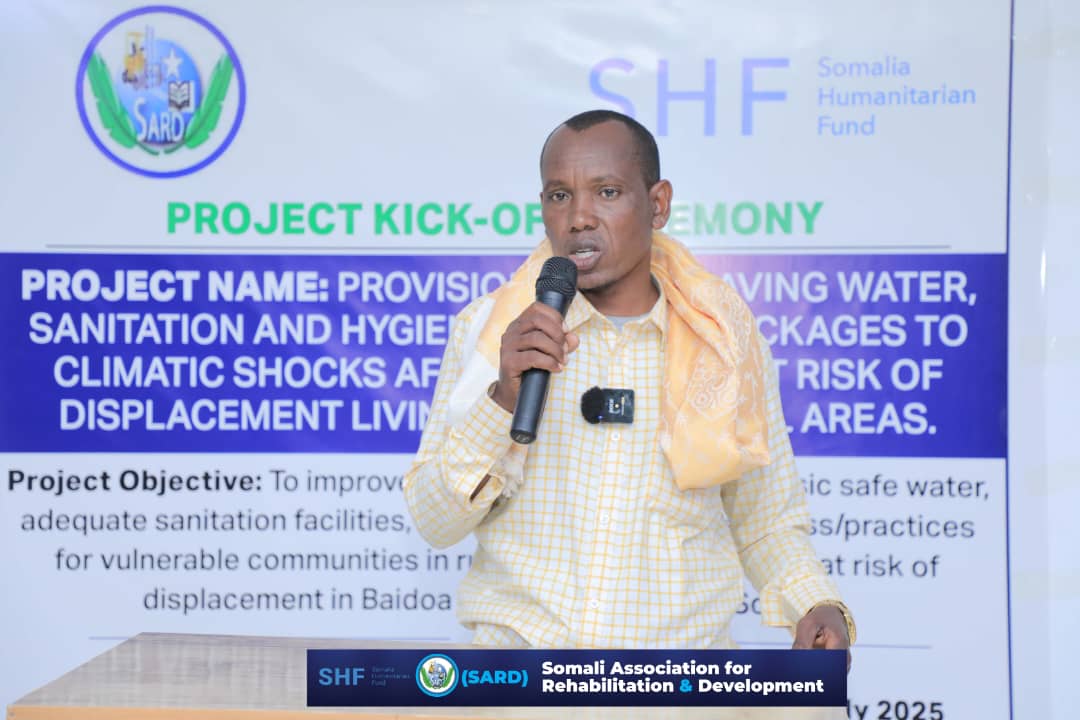
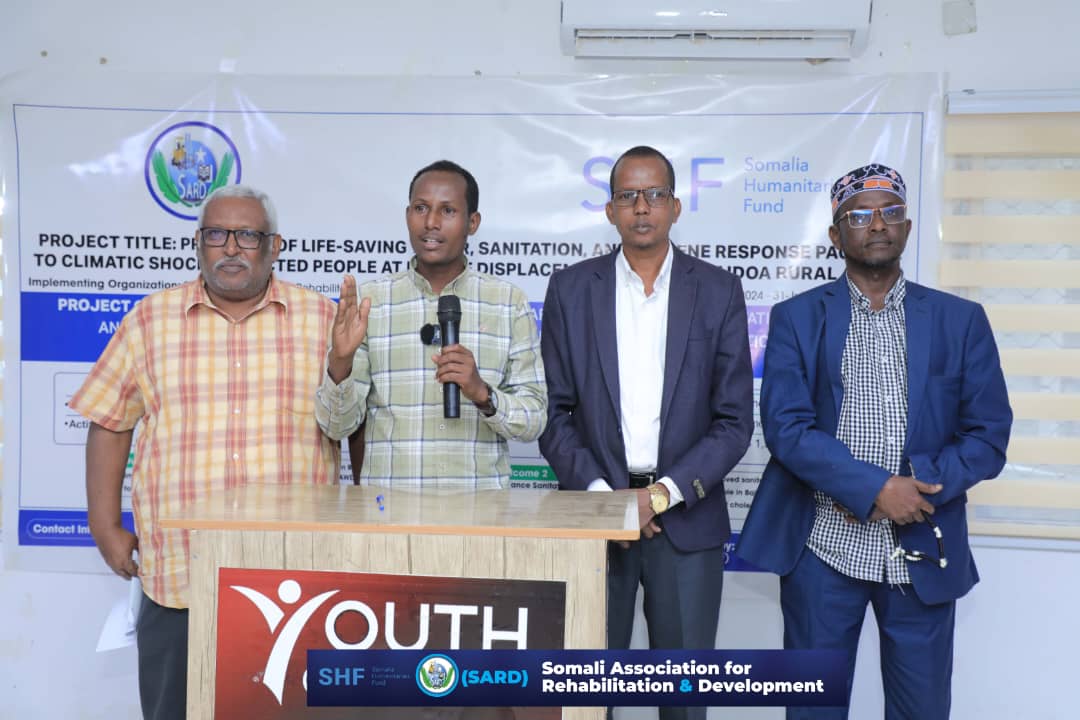
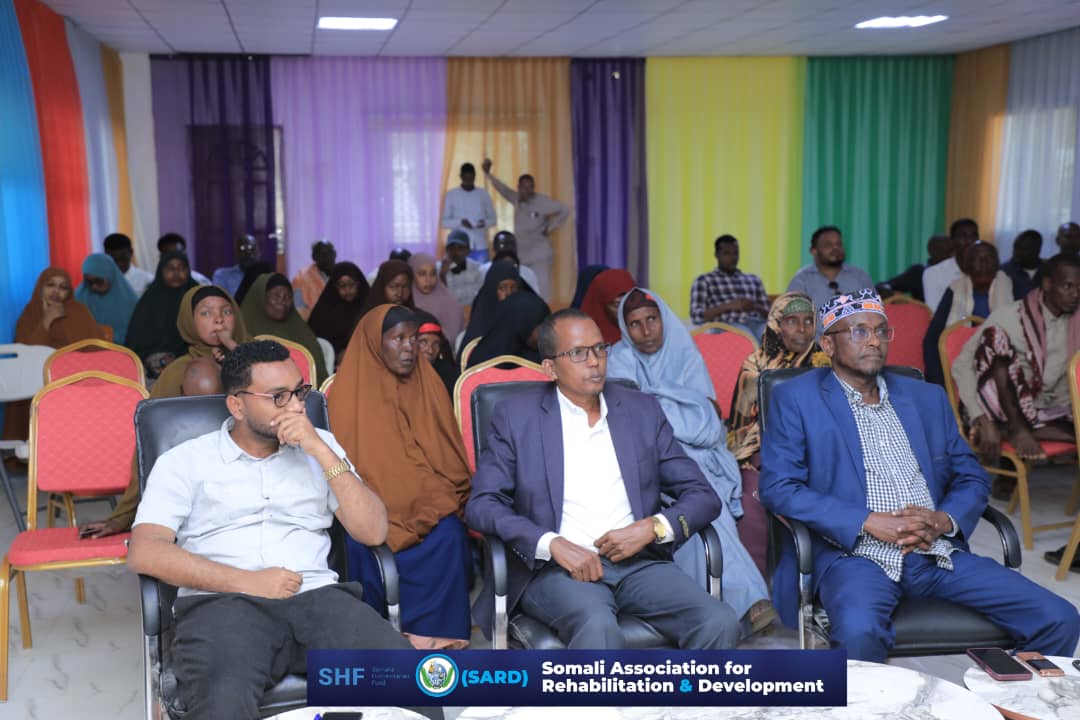
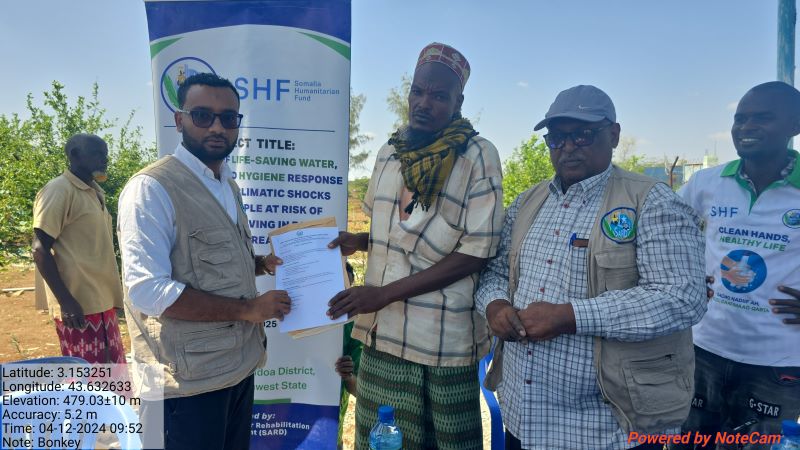
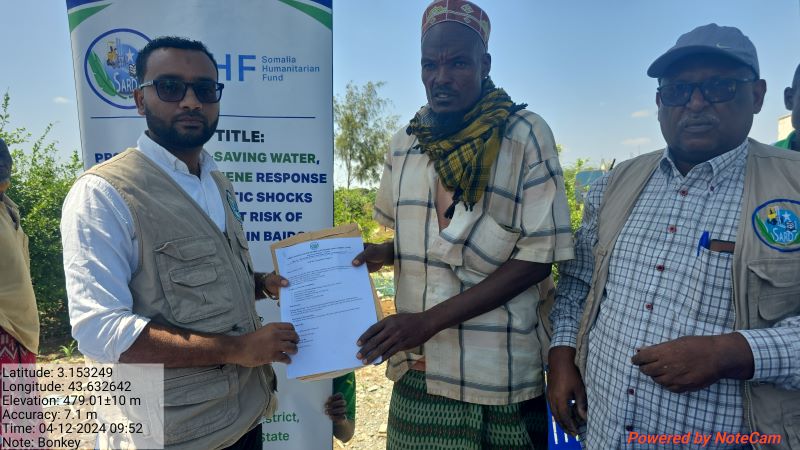
- Implementation of WASH Project Funded by Somalia Humanitarian Fund (SHF)
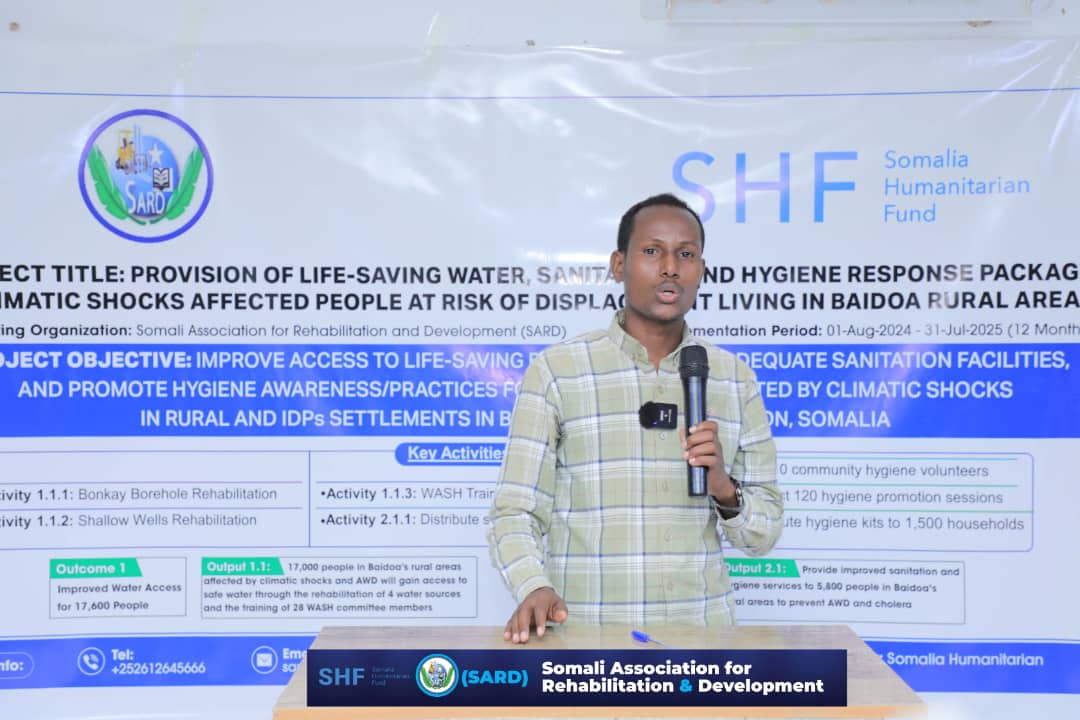
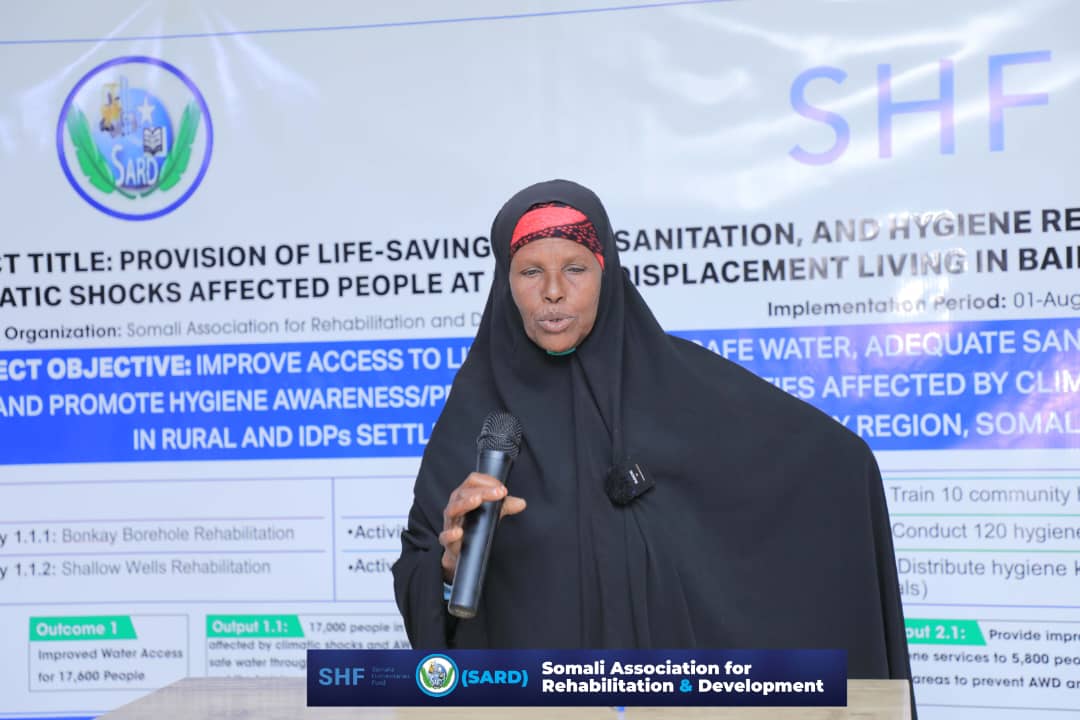
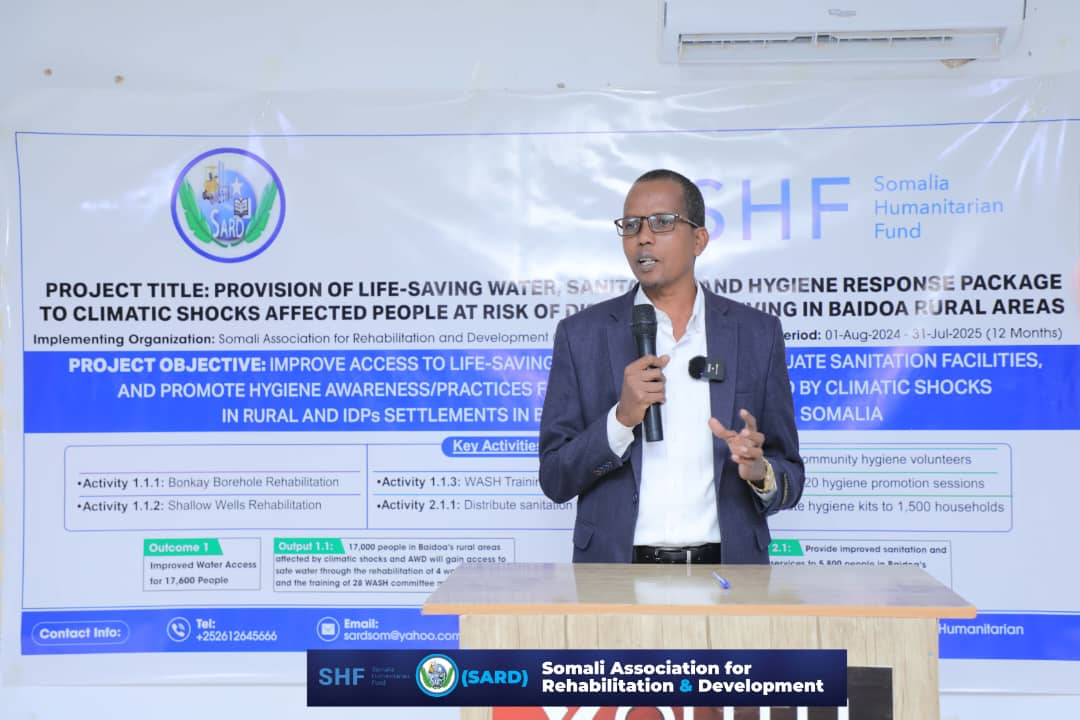
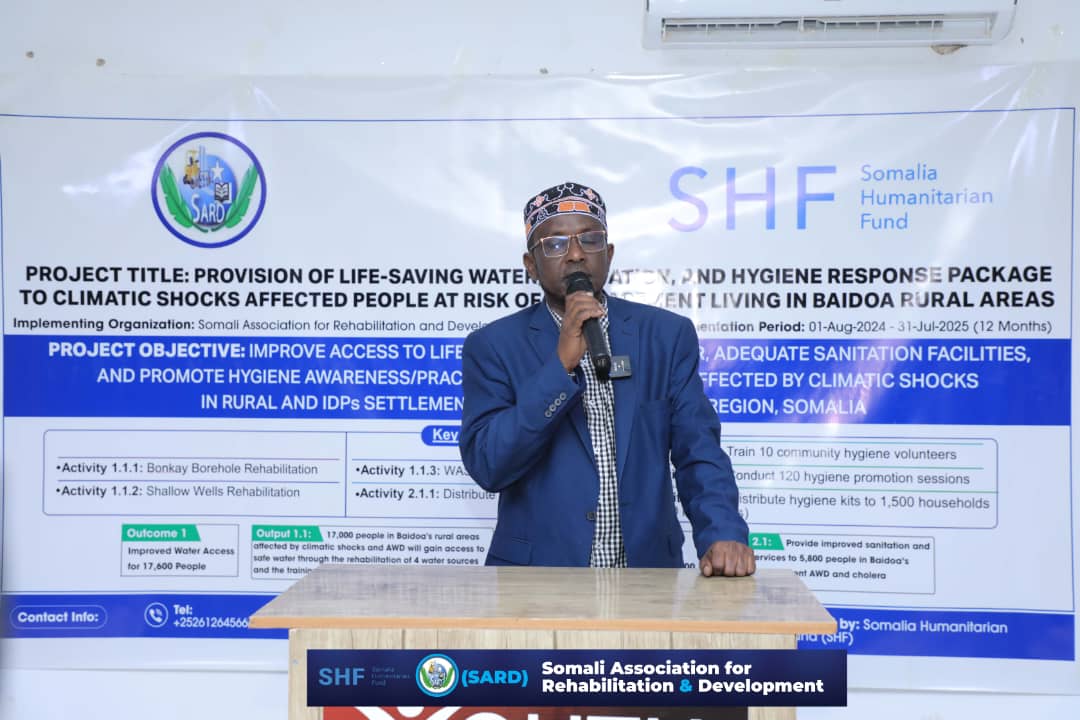
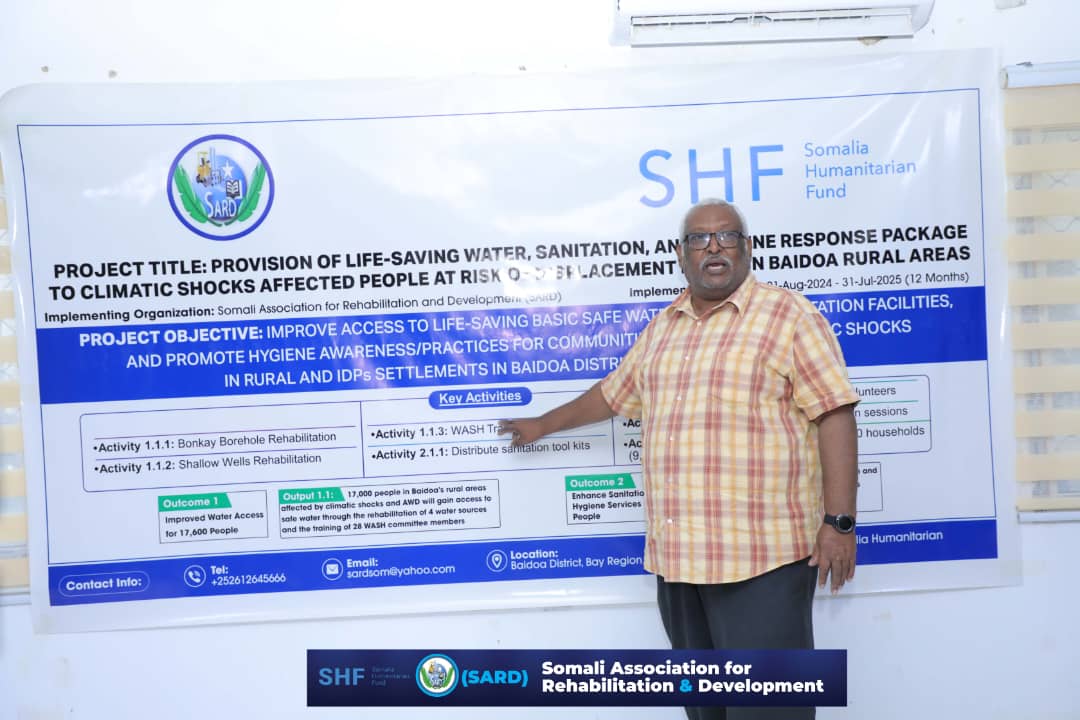
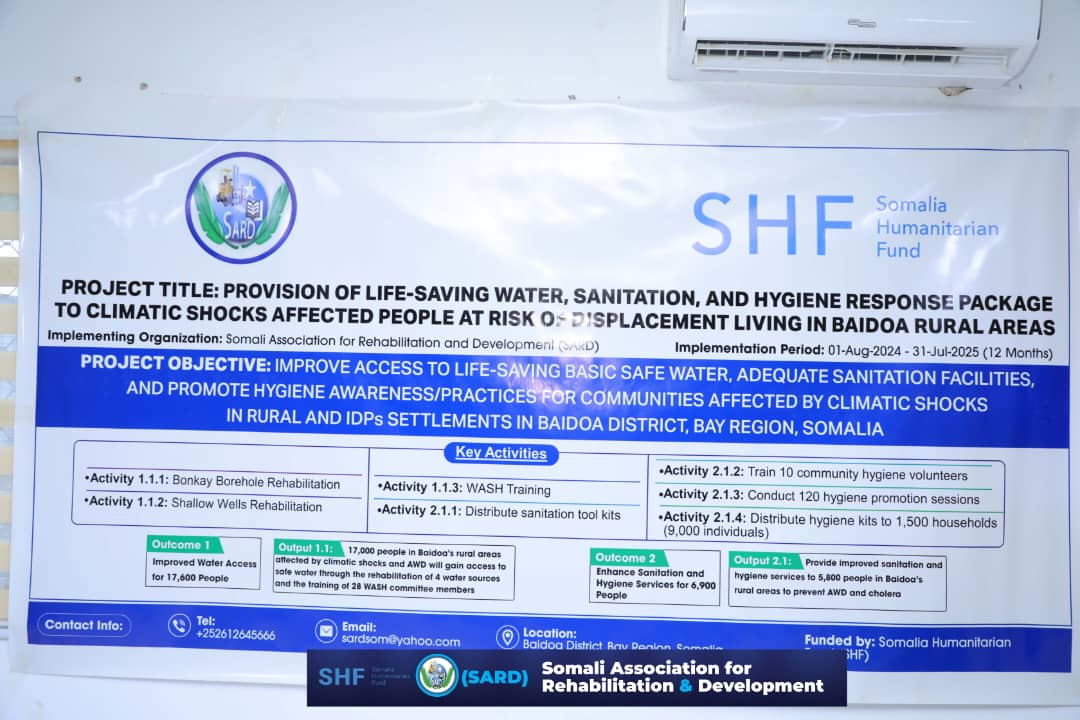
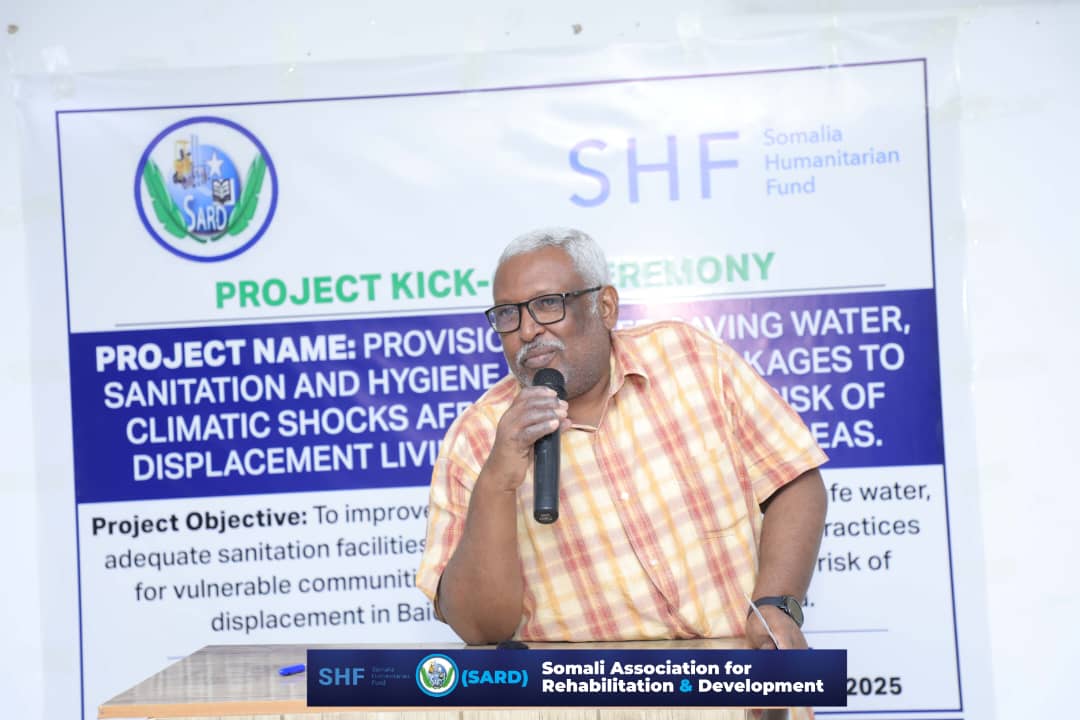
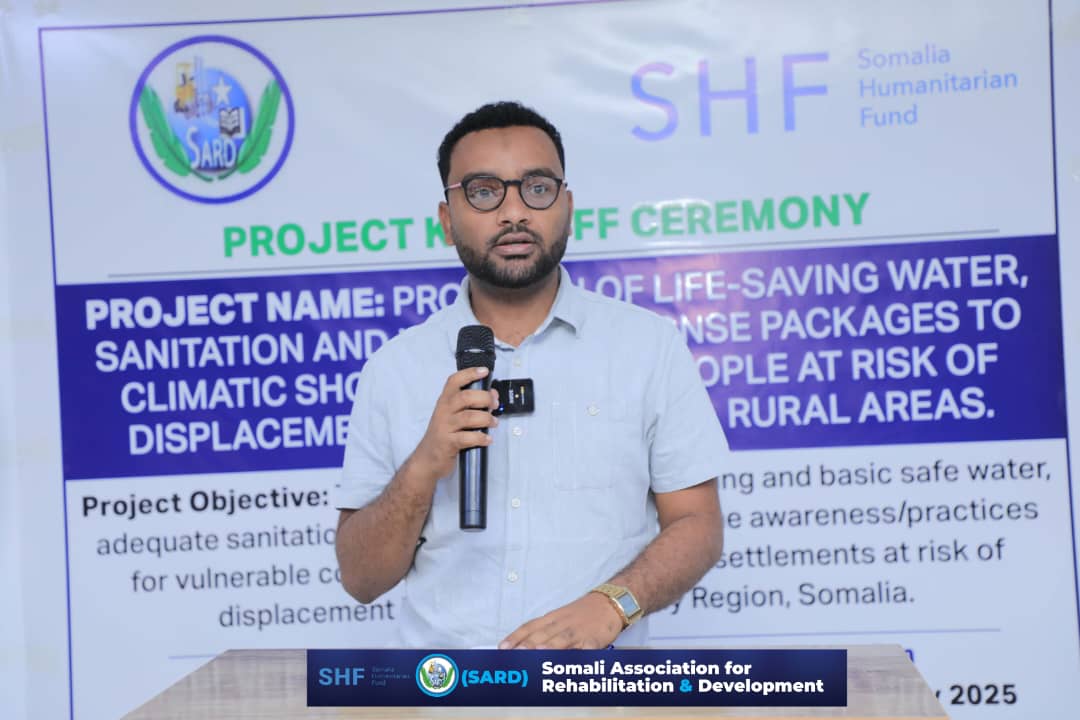
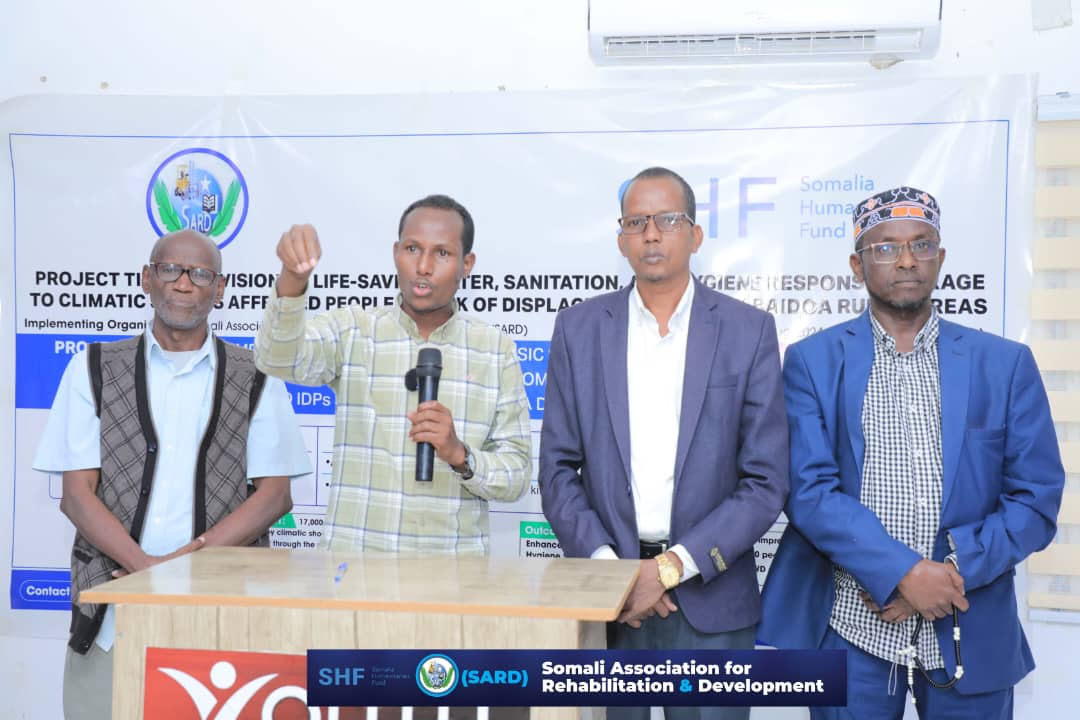
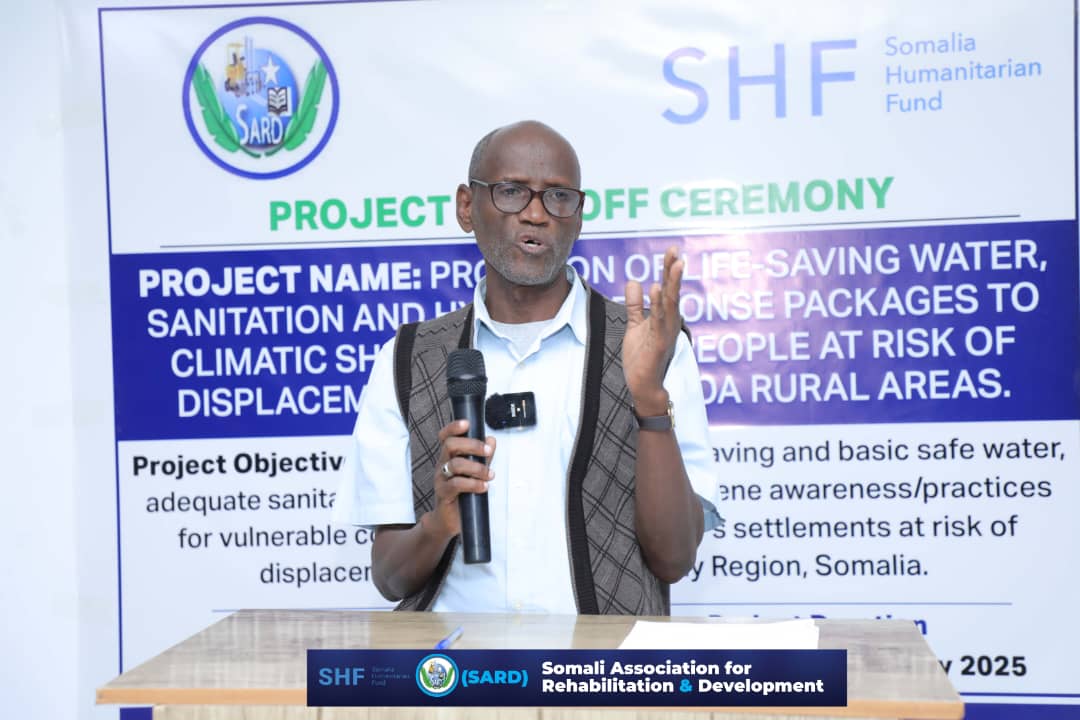
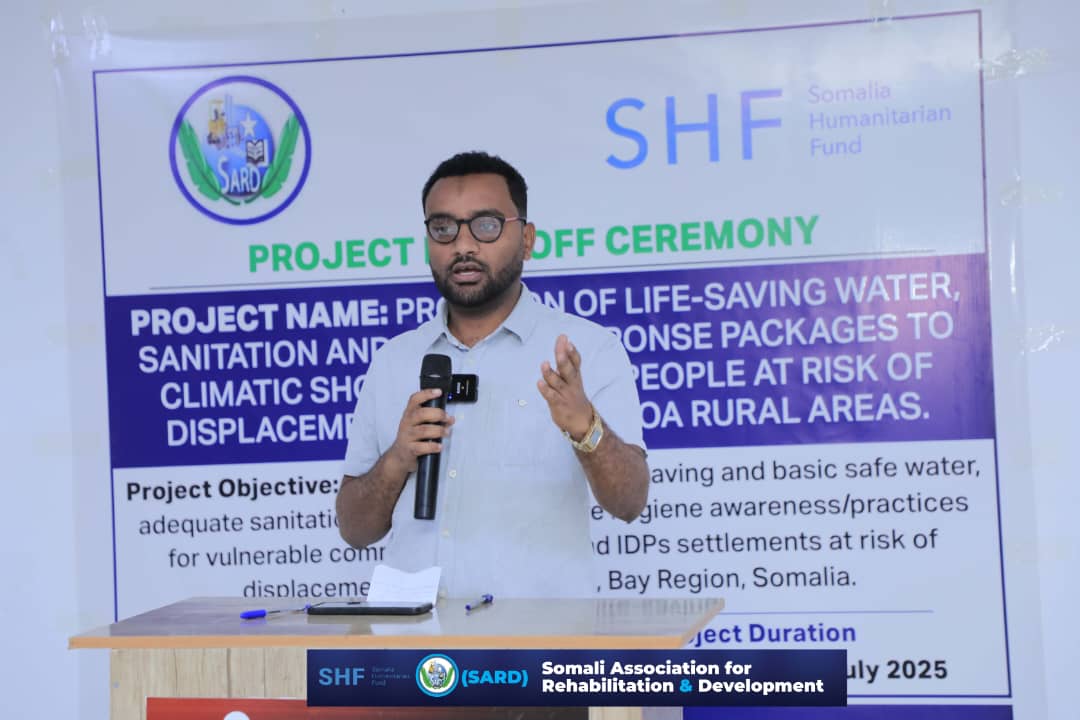
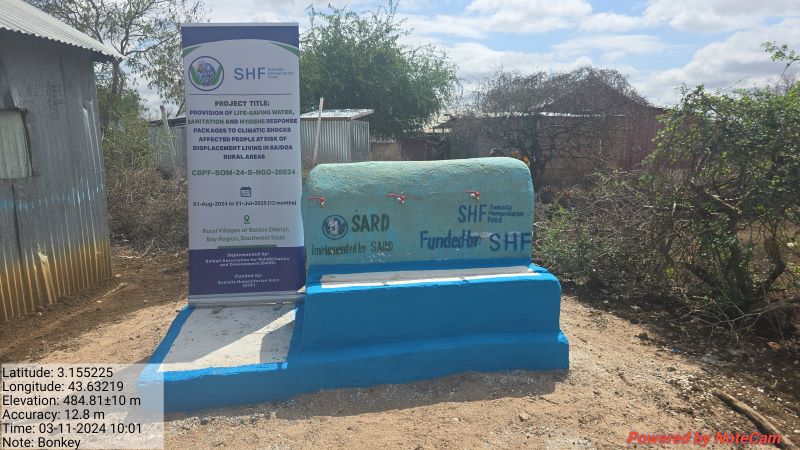
1. WASH Project Project Title: Provision of Life-Saving Water, Sanitation, and Hygiene Response Packages to Climatic Shock-Affected People at Risk of Displacement Living in Baidoa Rural Areas
Project Code: CBPF-SOM-24-S-NGO-28024
Progress and Achievements
Output 1.1: Access to Sustained Safe Water
Objective: Provide 17,600 people with equal access to safe and sustained water through the rehabilitation/construction of water sources and capacity-building of WASH committees.
- Activity 1.1.1: Water Point Rehabilitation Achievements:
- Bonkay Borehole Rehabilitation: Provided 3,800 individuals (760 women, 456 men, 1,254 boys, 1,330 girls) with reliable access to safe water.
- Infrastructure improvements:
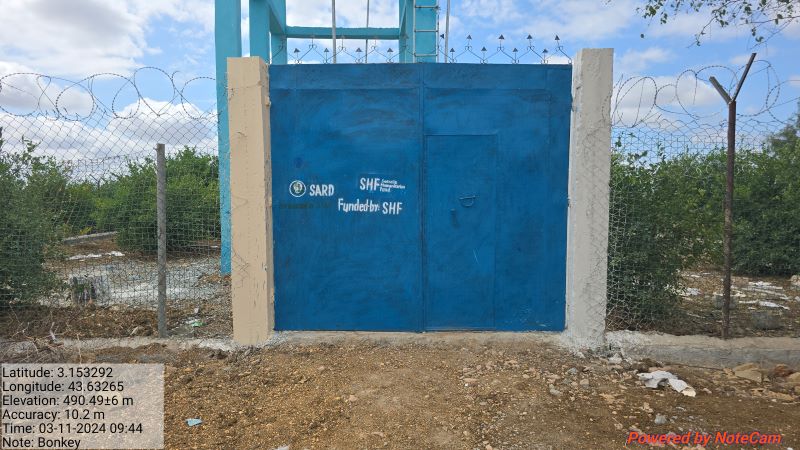
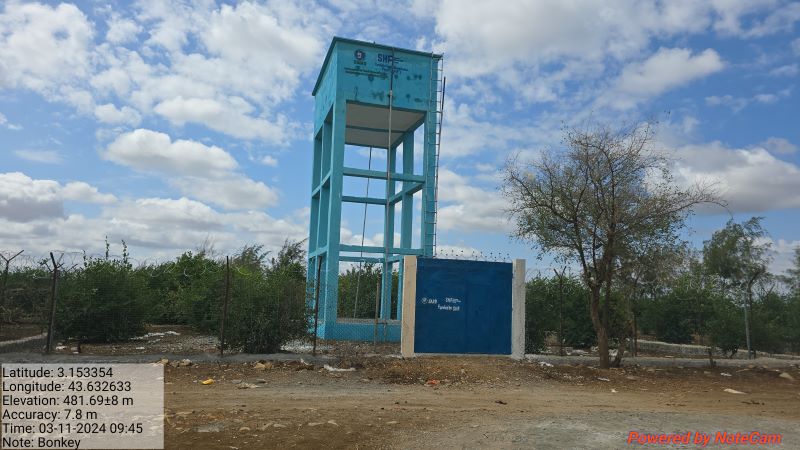
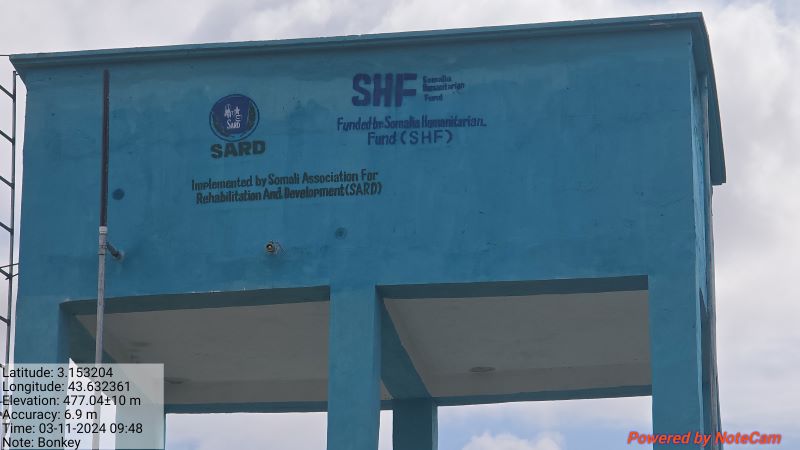
- Construction of a 50m³ elevated water storage tank.
- Replacement of the existing pump with a new 11KW pump.
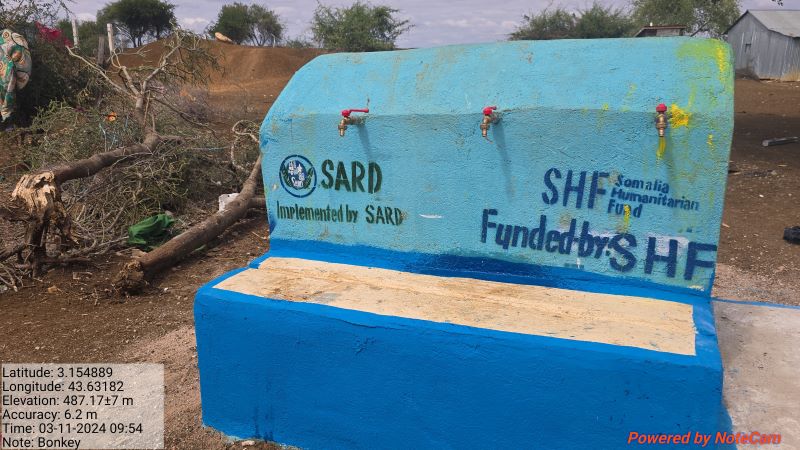
- Installation of 2,000 meters of pipeline and two water distribution kiosks.
- Installation of a chain-link fence for security and hygiene maintenance.
- Accessibility features: Ramps installed at water kiosks ensure equal access for individuals with disabilities.
- Activity 1.1.2: Capacity Building of WASH Committees Achievements:
- Established and trained four Water Management Committees (WMCs) comprising 7 members each, with at least one-third female representation.
- Training covered engineering, environmental conservation, and water resource management over three days.
- Activity 1.1.5: Community Awareness on Feedback Mechanisms Achievements:
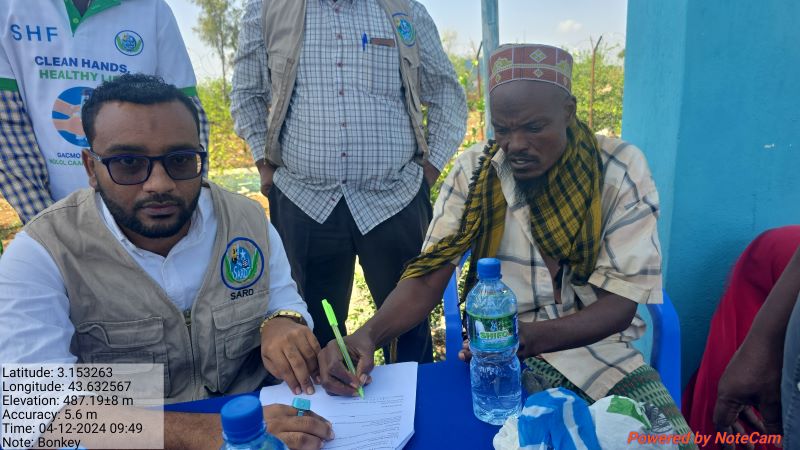
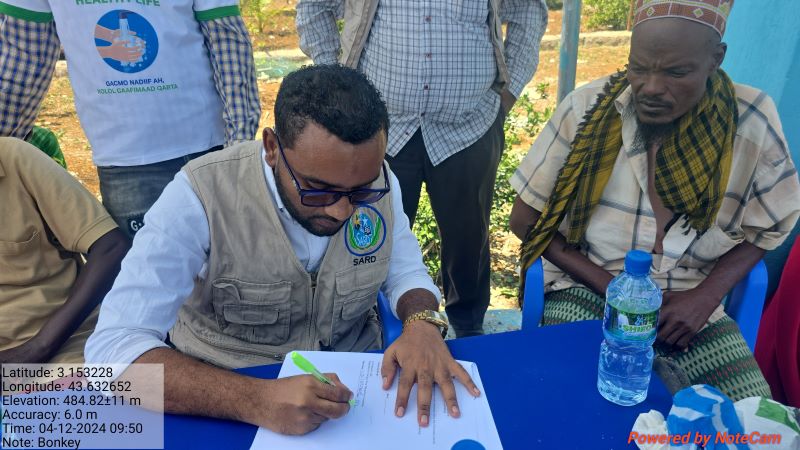
- Conducted 12 community awareness sessions involving local authorities and diverse community members.
- Distributed complaint and feedback mechanism (CRM) contact numbers, enabling vulnerable groups (women, children, persons with disabilities) to report issues safely and confidentially.
Output 2.1: Improved Sanitation Facilities and Hygiene Awareness
Objective: Reach 5,800 individuals (2,030 girls, 1,160 women, 696 men, 1,914 boys) with improved sanitation facilities and hygiene awareness to prevent AWD/Cholera outbreaks.
- Activity 2.1.1: Distribution of Sanitation Toolkits Achievements:
- Distributed 100 sanitation toolkits to 5 women-led sanitation groups across target villages to empower communities in maintaining cleanliness and waste management.
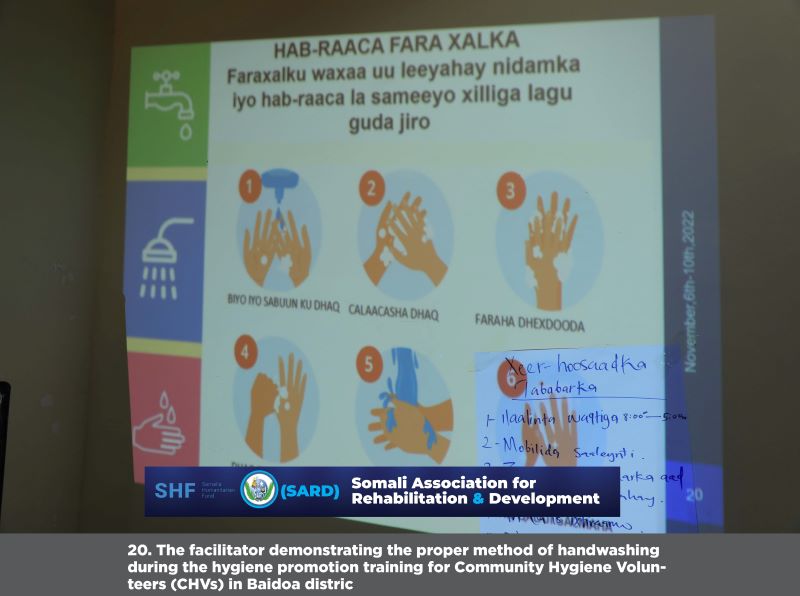
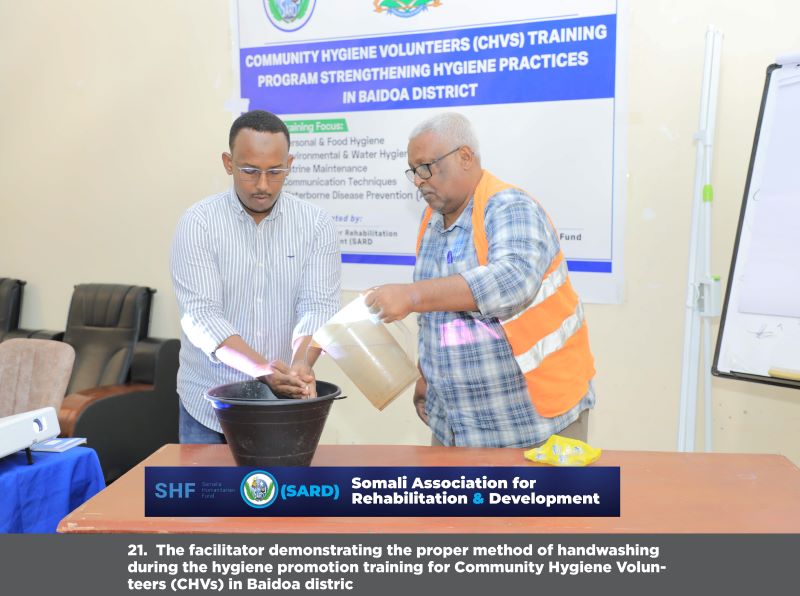
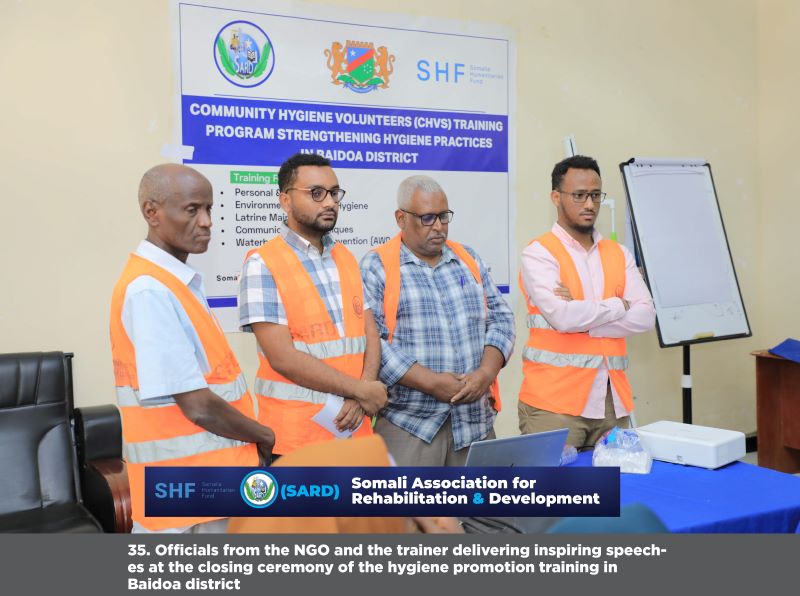
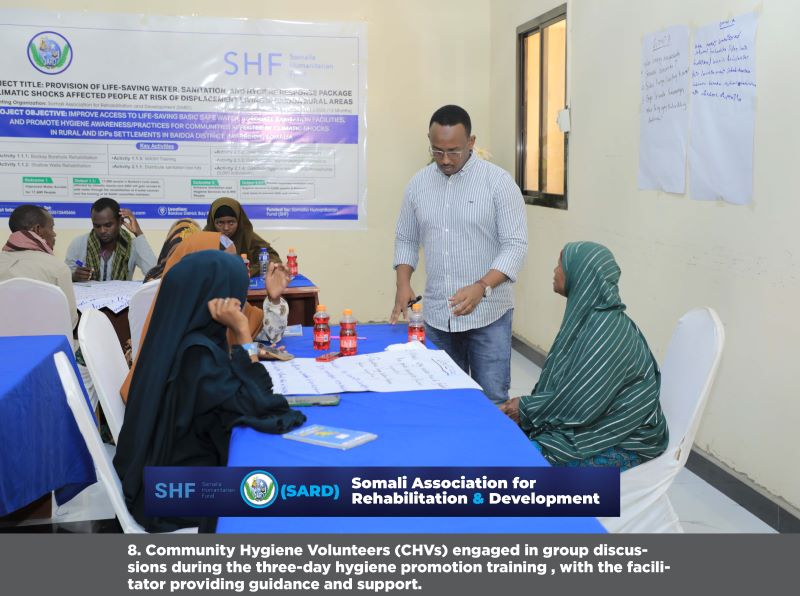
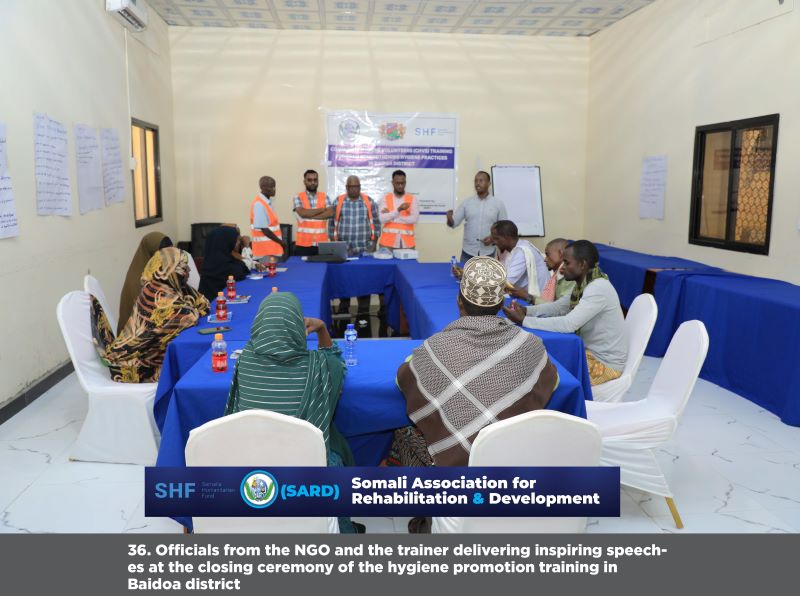
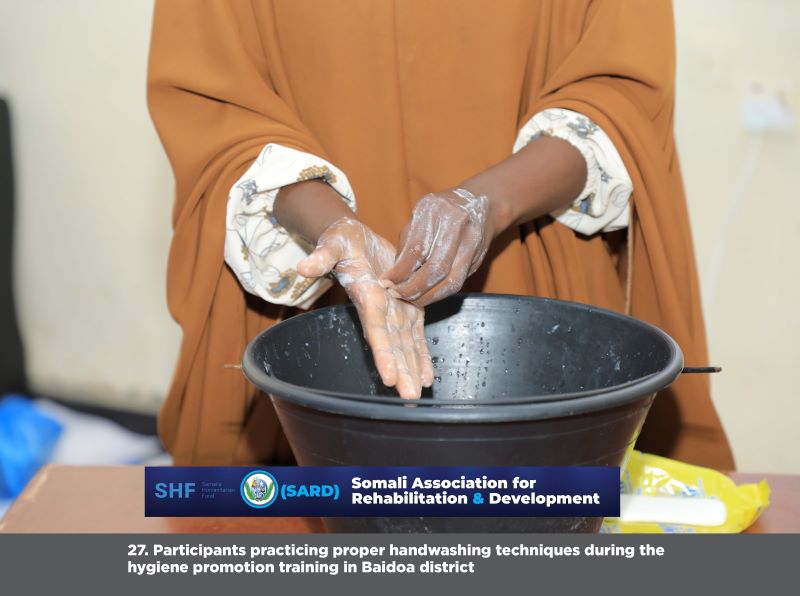
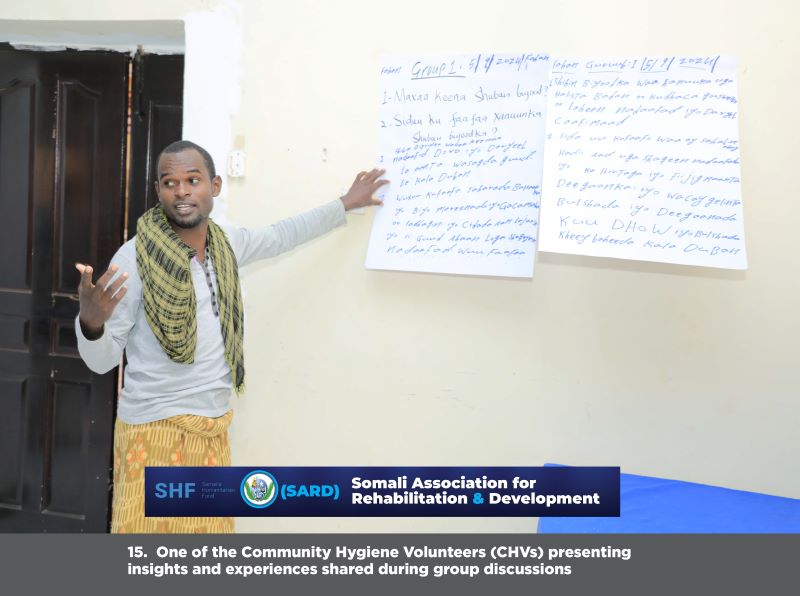
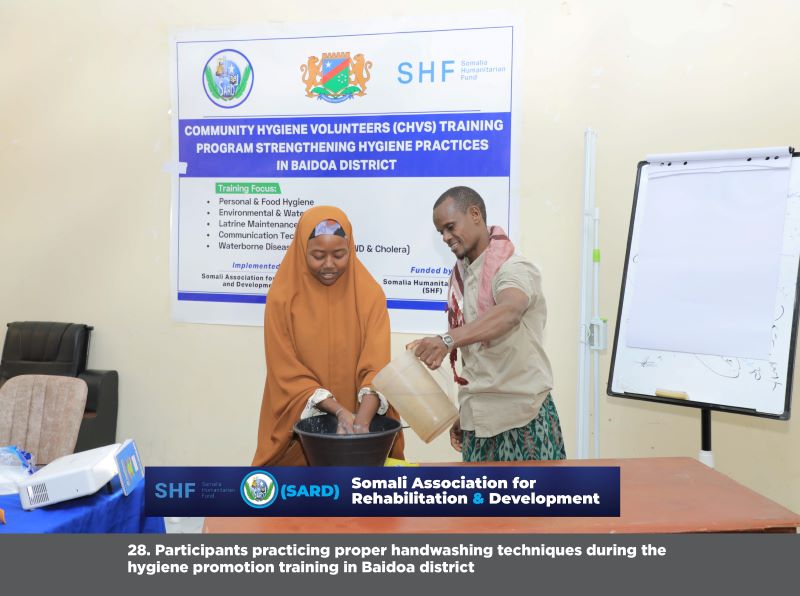
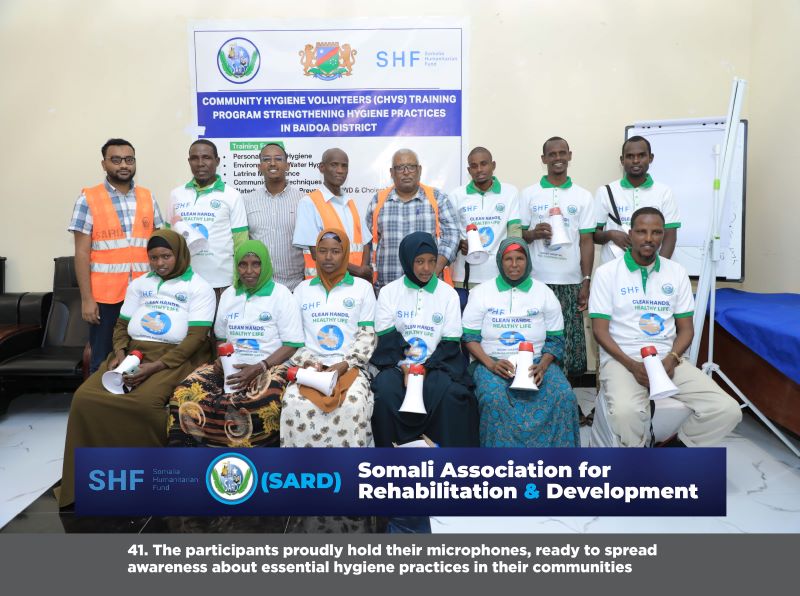
- Activity 2.1.2: Hygiene Promotion Training Achievements:
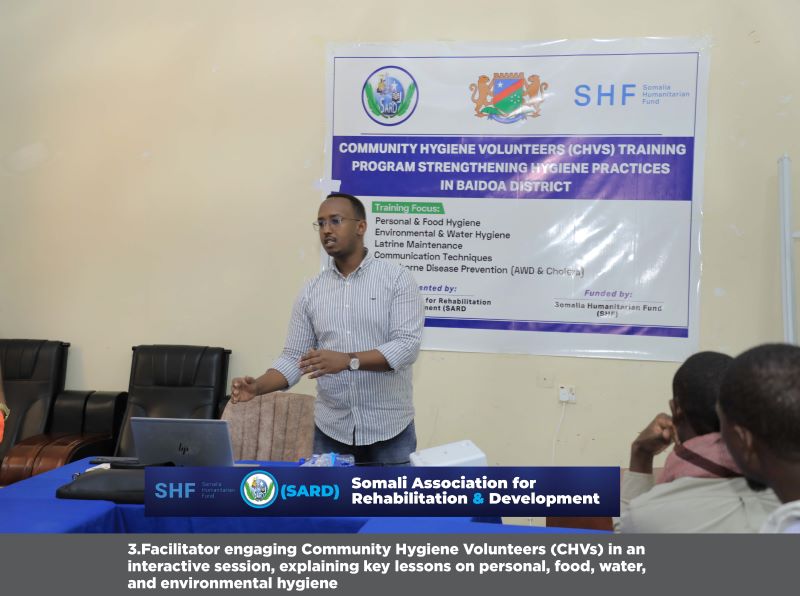
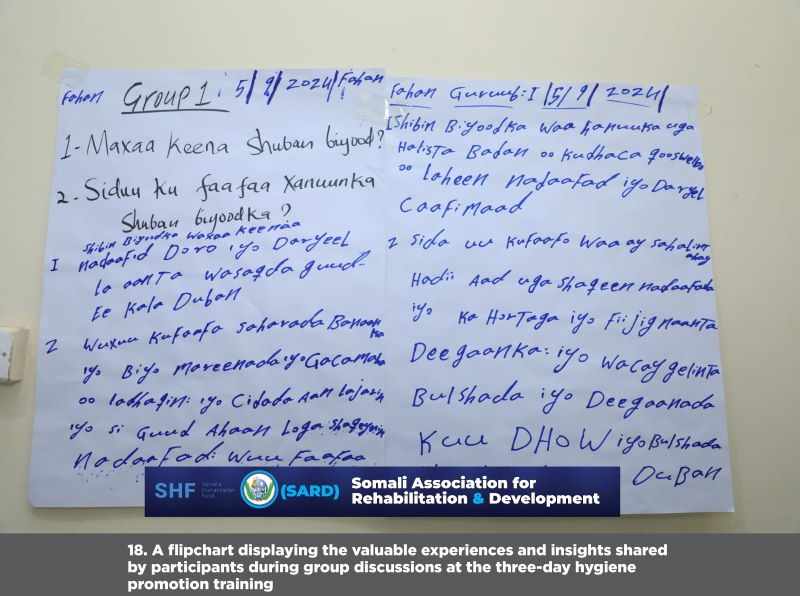
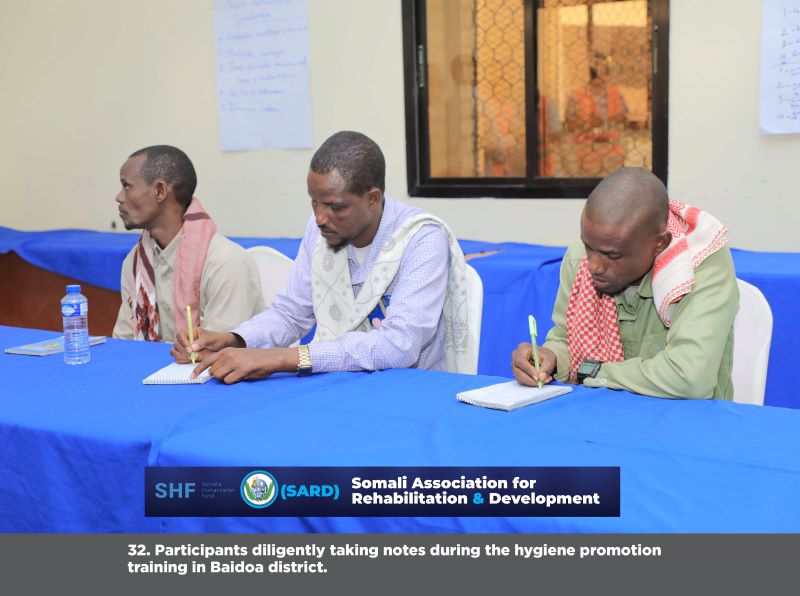
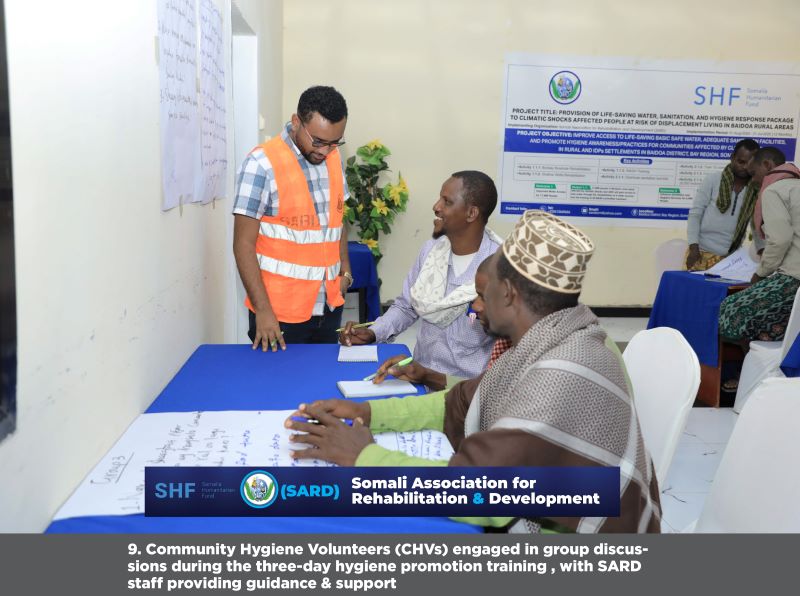
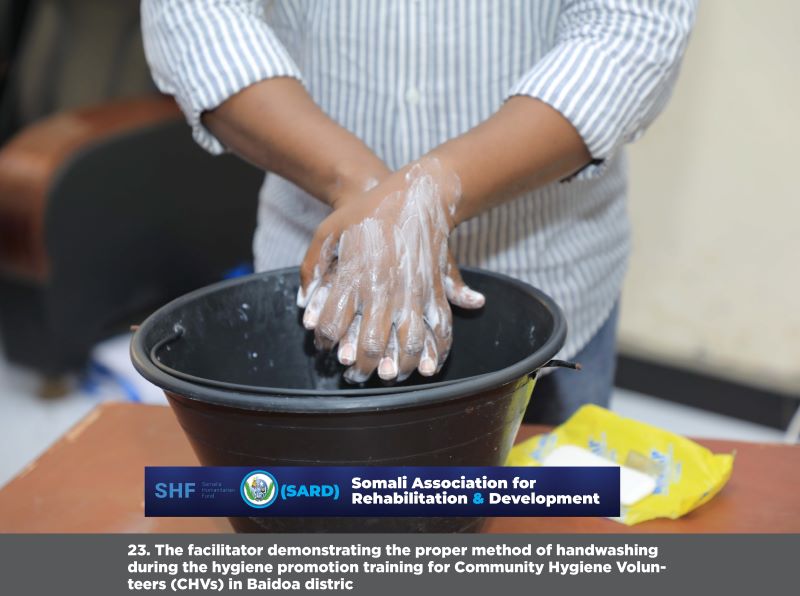
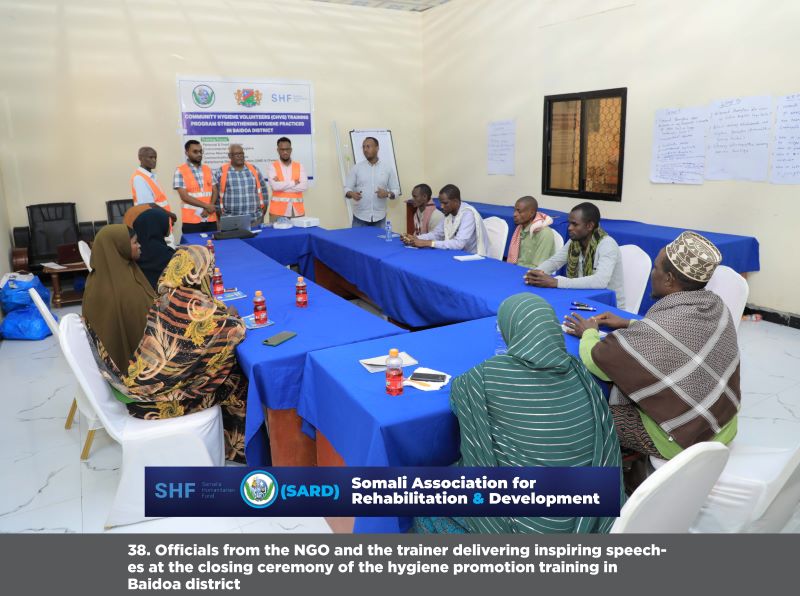
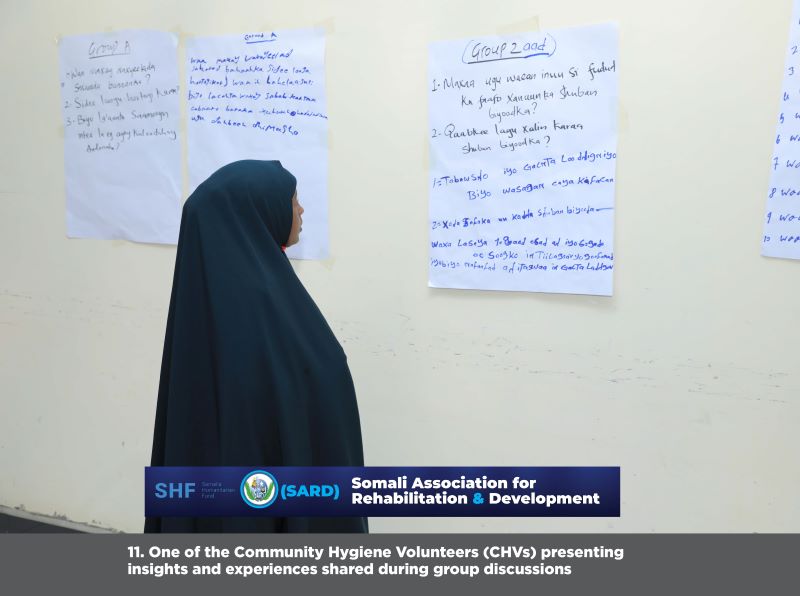
- Trained 10 community hygiene volunteers (5 men, 5 women) over three days, ensuring gender-balanced representation and community trust enhancement.
- Activity 2.1.3: Community Hygiene Promotion Sessions Achievements:
- Conducted 35 sessions, reaching 1,804 participants (734 girls, 488 women, 407 men, 175 boys).
- Topics included AWD/Cholera prevention, personal hygiene, and environmental cleanliness.
Overall Progress and Results Achieved
Alignment with Objectives:
The project has significantly advanced its primary goals of improving access to safe water, sanitation facilities, and hygiene awareness.
Key Achievements:
- Access to Safe Water: Rehabilitated boreholes and improved infrastructure, providing reliable access to safe water. Accessibility ramps at kiosks addressed the needs of disabled individuals.
- Community Capacity Building: Gender-inclusive WMCs and hygiene promoter training improved community ownership and resilience.
- Sanitation and Hygiene Awareness: Sessions and distributed toolkits enhanced awareness and cleanliness practices.
Impact on Different Groups:
- Women and Girls:
- Reduced time fetching water enabled women and girls to focus on education and economic activities..
- Men and Boys:
- Active roles in WMCs and sanitation activities fostered community ownership and resilience.
- 3. Vulnerable Groups (Including Persons with Disabilities):
- Ramps at kiosks ensured safe access for disabled individuals, reducing dependency.
- Accessible CRM facilitated safe reporting for the elderly, disabled, and other vulnerable groups.
Examples of Impact:
- A disabled woman in Bonkay village can now independently access clean water.
- A girl noted increased school attendance due to reduced time spent fetching water.
- A hygiene promoter observed improved community practices in Cholera prevention.
Remaining Tasks
- Rehabilitation of Water Sources:
- Rehabilitate three shallow wells to expand safe water access.
- Water Quality Monitoring and Testing:
- Conduct quality testing at rehabilitated water points to ensure compliance with health standards.
- Provision of Emergency Water Supply:
- Address immediate water needs in underserved areas through water trucking or voucher systems.
- Hygiene Kit Distribution:
- Complete kit distribution to remaining households, ensuring improved hygiene practices.
- Hygiene Promotion Sessions:
- Conduct the remaining 85 sessions to meet the target of 120, focusing on waterborne disease prevention.
Progress Context:
While substantial progress has been made, completing the remaining tasks is essential for achieving the project’s objectives and ensuring sustainable impact. These efforts will further enhance inclusivity and responsiveness to community needs.