Project Overview
Title: Building Resilience Against Acute Malnutrition in Rural Communities of Baidoa District (Empower Baidoa)
Code: CBPF-SOM-24-S-NGO-28162 Funding Agency: Somalia Humanitarian Funds (SHF) Duration: August 2024 – July 2025 (12 months) Location: Baidoa District, Somalia
Objective: The project aims to reduce acute malnutrition and improve the nutritional well-being of children and mothers in rural communities of Baidoa by providing treatment and promoting preventive care.
2. Project Components
Outpatient Therapeutic Program (OTP)
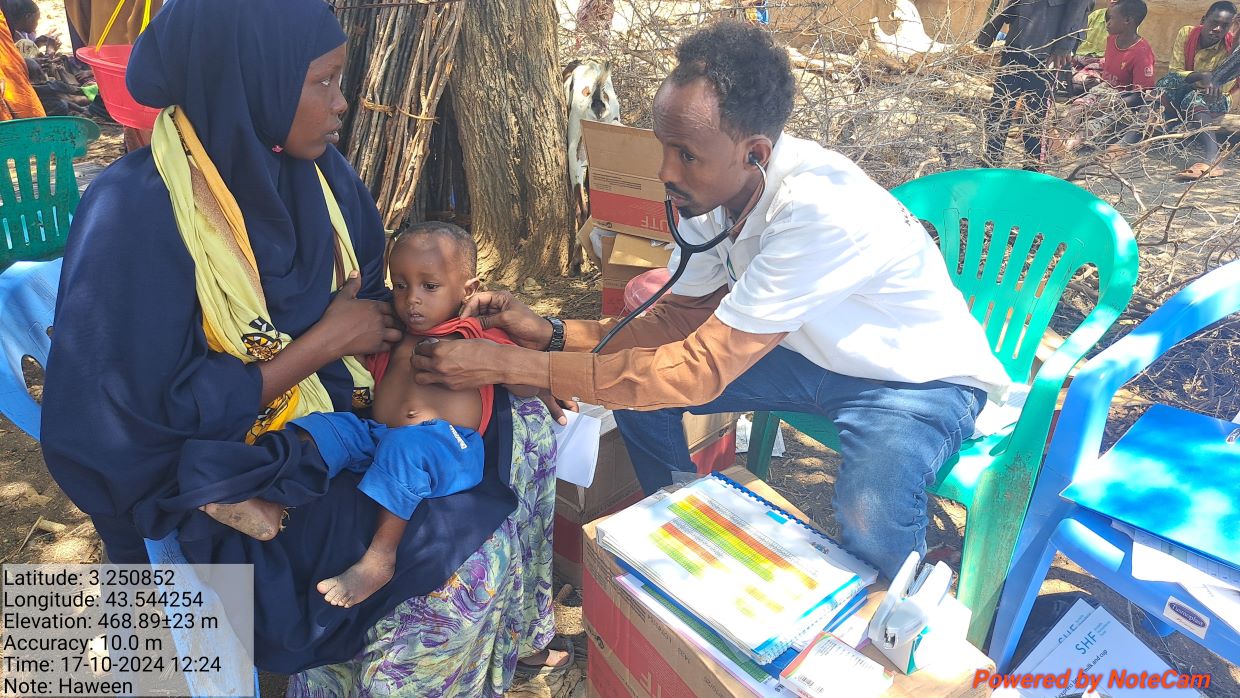
• Focus: Treating children with Severe Acute Malnutrition (SAM) without medical complications at home.
• Activities:
o Provision of Ready-to-Use Therapeutic Foods (RUTF).
o Regular follow-ups at health facilities.
o Reducing the need for inpatient care while keeping children with their families.
Infant and Young Child Feeding (IYCF)
• Focus: Promoting optimal feeding practices to prevent malnutrition in infants and young children.
• Activities:
o Counseling on breastfeeding and complementary feeding.
o Education on nutritional needs of children under two years.
o Household visits and group sessions for caregivers.
3. Progress and Achievements
The Nutrition Project implemented by SARD in Baidoa has made significant progress in addressing acute malnutrition among children under five and pregnant and lactating women (PLW). Key achievements include:
1. Improved Screening and Treatment Services
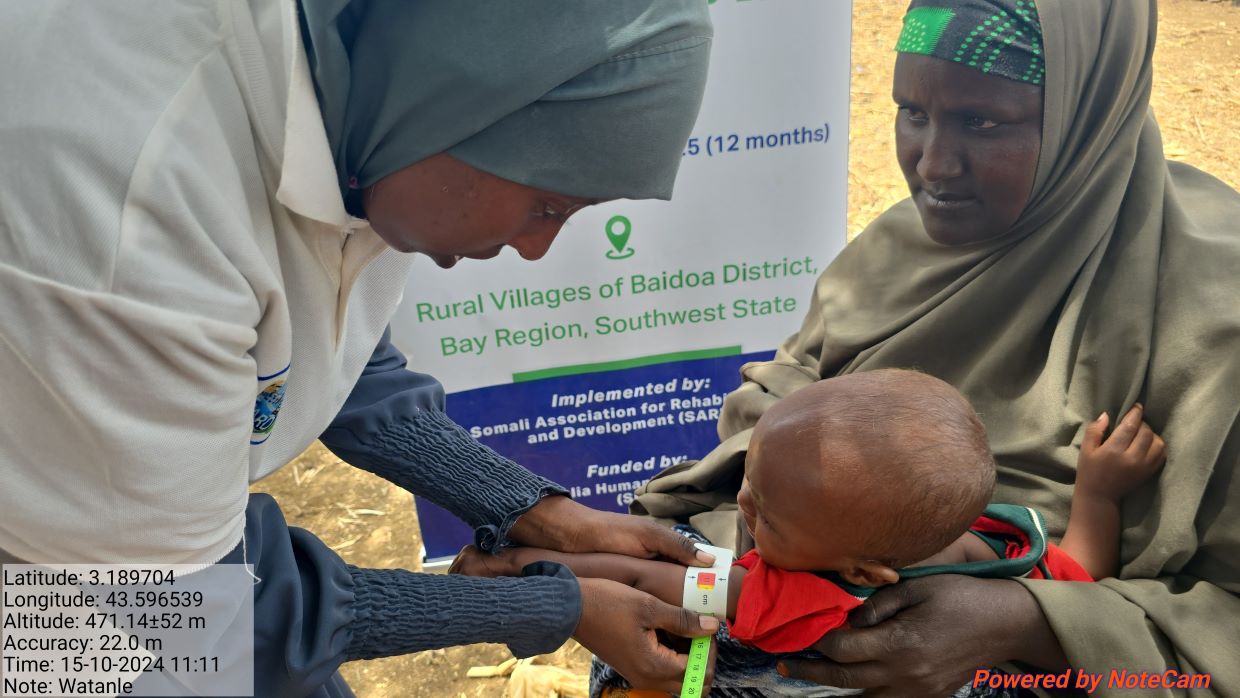
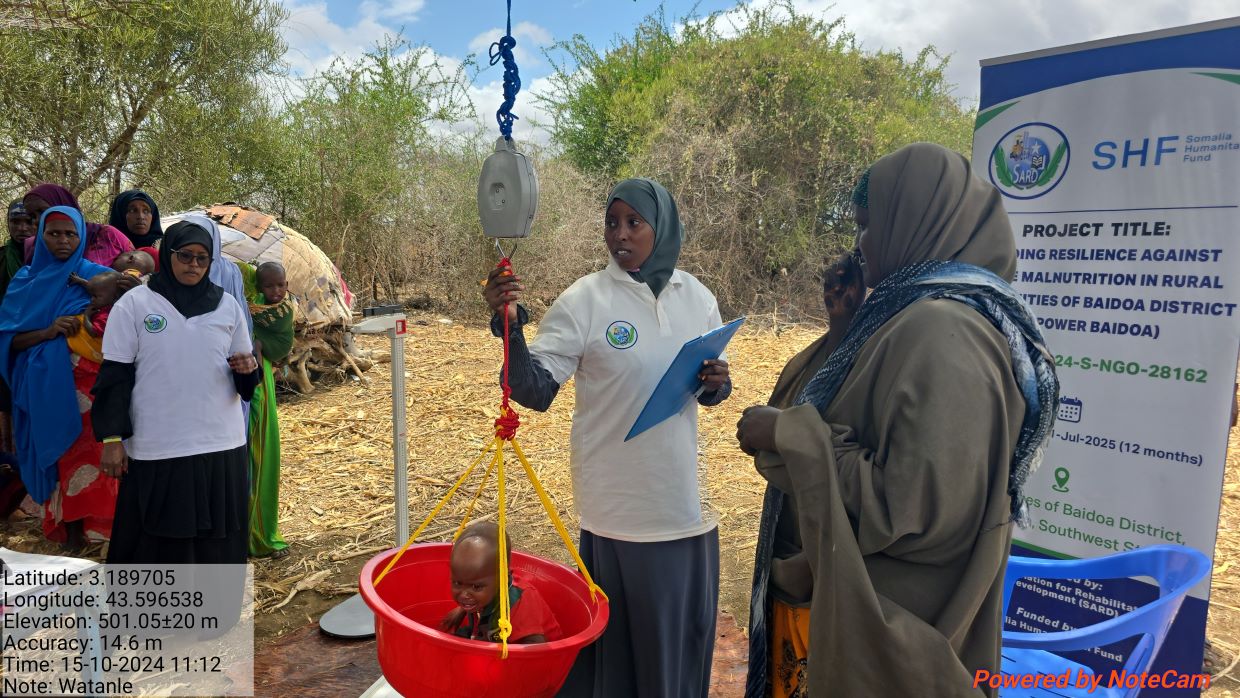
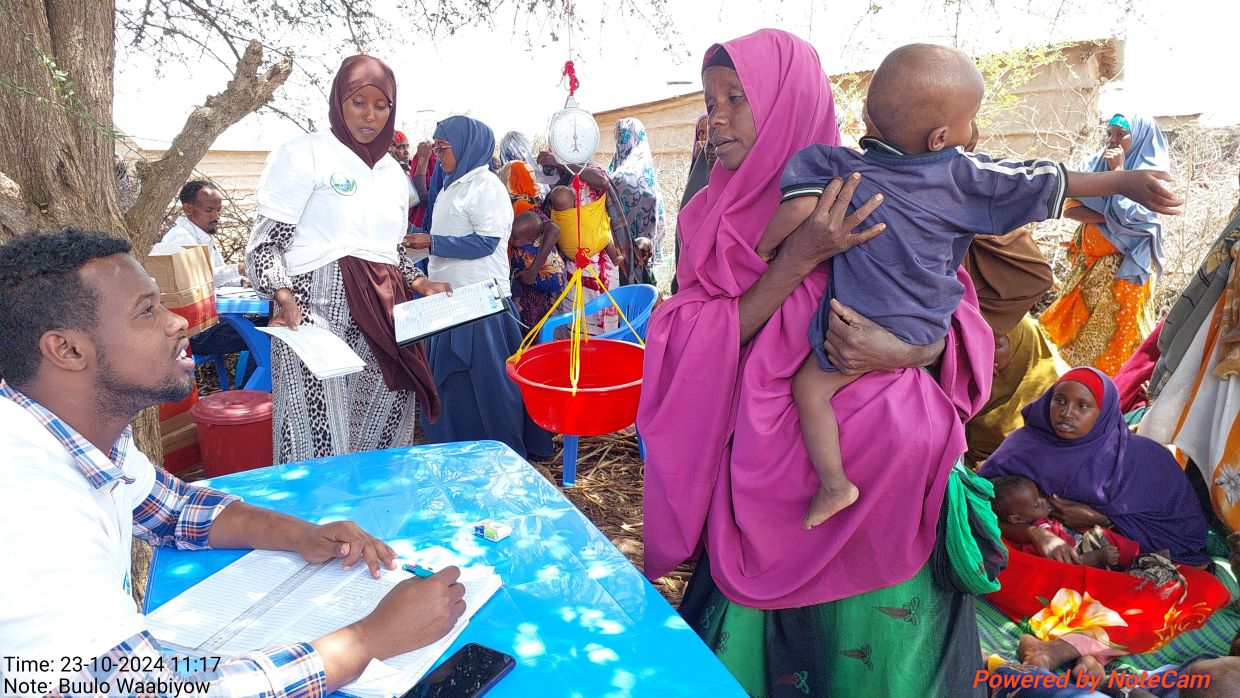
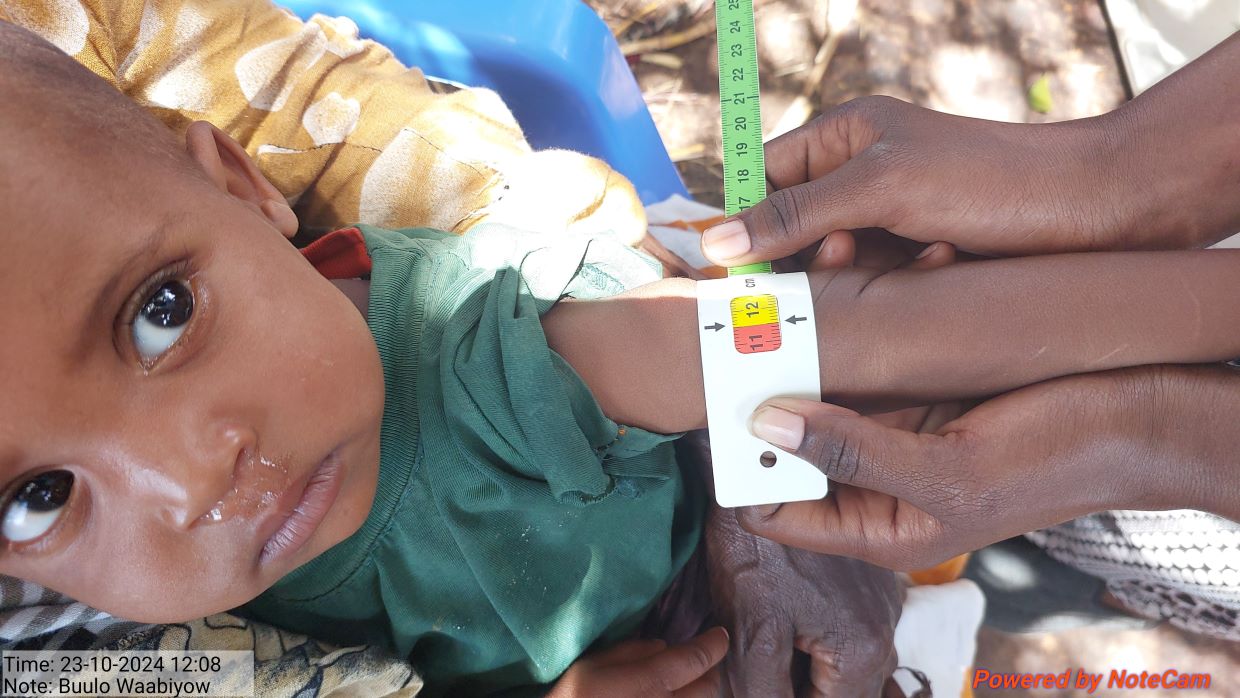
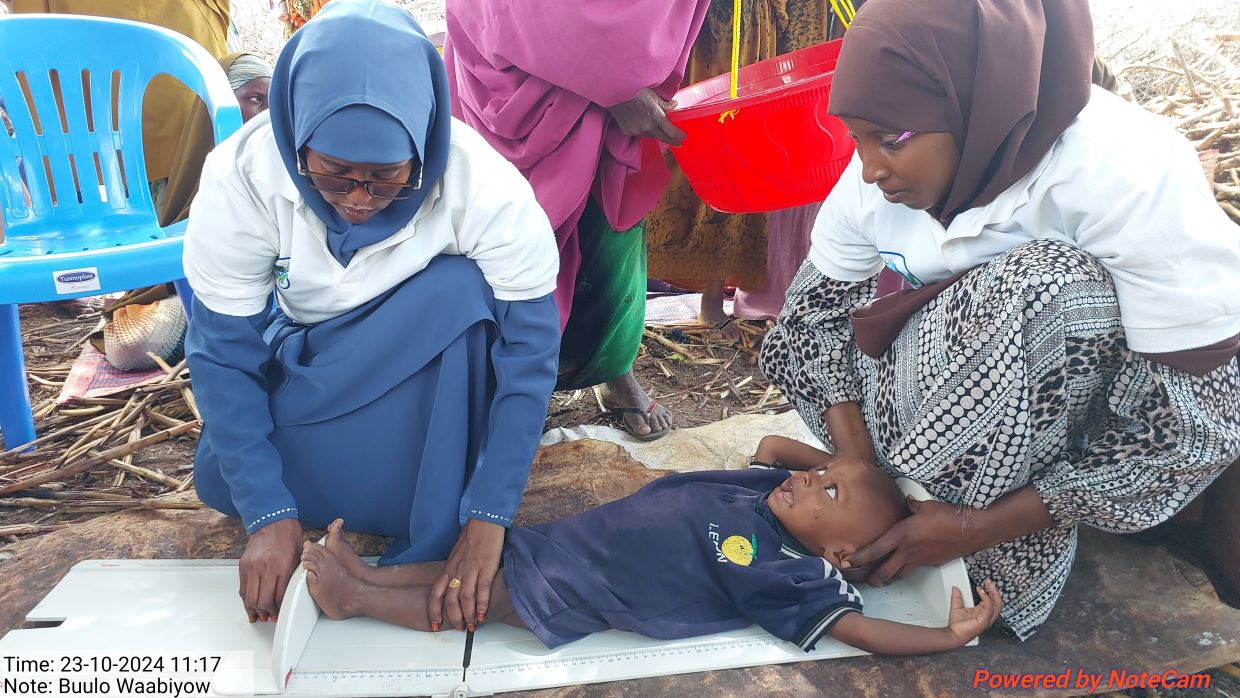
o Screening and referral: Over 681 children with severe acute malnutrition (SAM) were identified and referred for treatment under the Outpatient Therapeutic Program (OTP). Additionally, 457 children with moderate acute malnutrition were screened and referred to Targeted Supplementary Feeding Program (TSFP) sites.
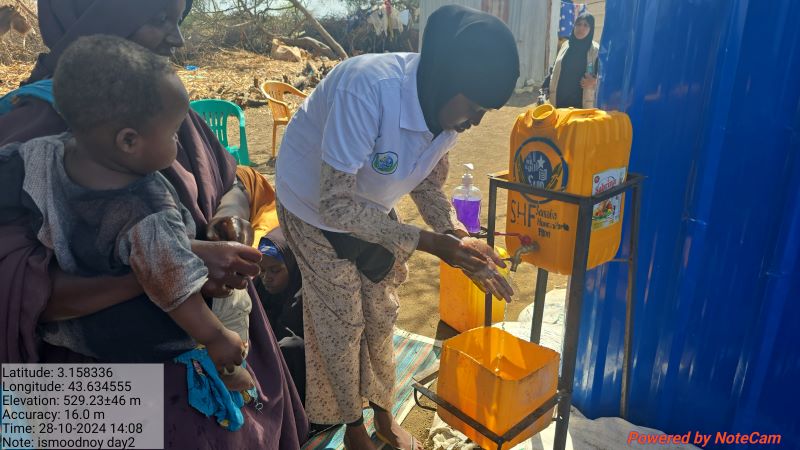
o Community outreach: Two mobile teams have been established and are actively delivering lifesaving services in 11 target villages.
2. Capacity Building and Community Empowerment
o Training caregivers: 605 caregivers were trained to use Family MUAC for early detection of malnutrition in children.
o Training health workers: 22 Community Health Workers (CHWs) and Infant and Young Child Feeding (IYCF) counselors were trained on the Integrated Management of Acute Malnutrition (IMAM) protocol.
o Community engagement: 11 Mother-to-Mother Support Groups (MTMSGs) and 11 Father-to-Father Support Groups (FTFSGs) were established, fostering peer-led promotion of IYCF practices.
3. Enhanced Maternal and Child Nutrition Practices
o Counseling sessions: 701 caregivers of children aged 0–23 months received counseling on optimal breastfeeding and complementary feeding.
o Child-friendly spaces: Six learning centers were established, providing health education, counseling, and early childhood development activities.
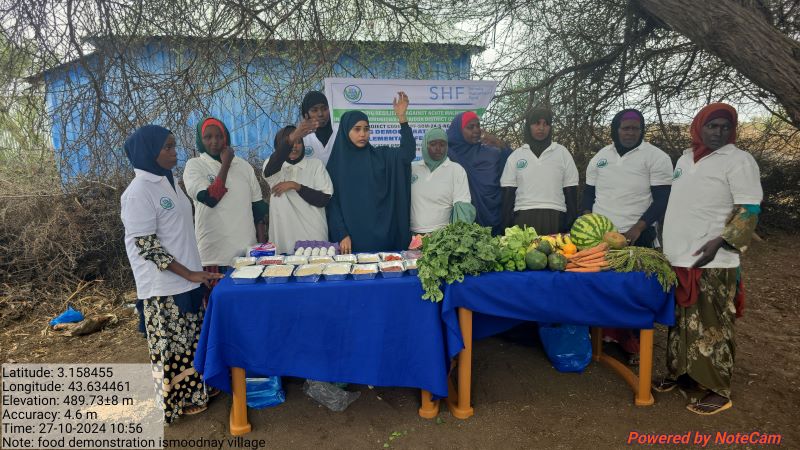
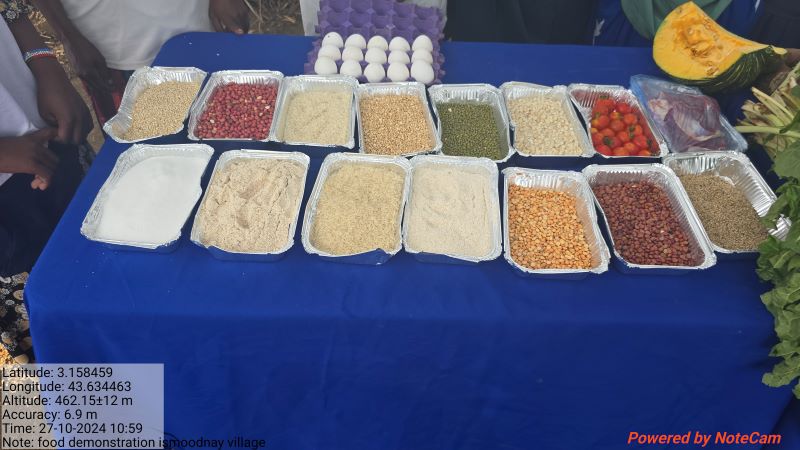
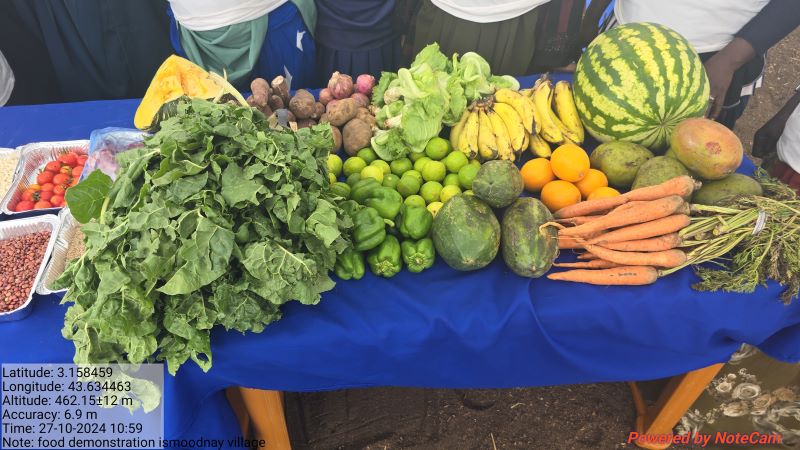
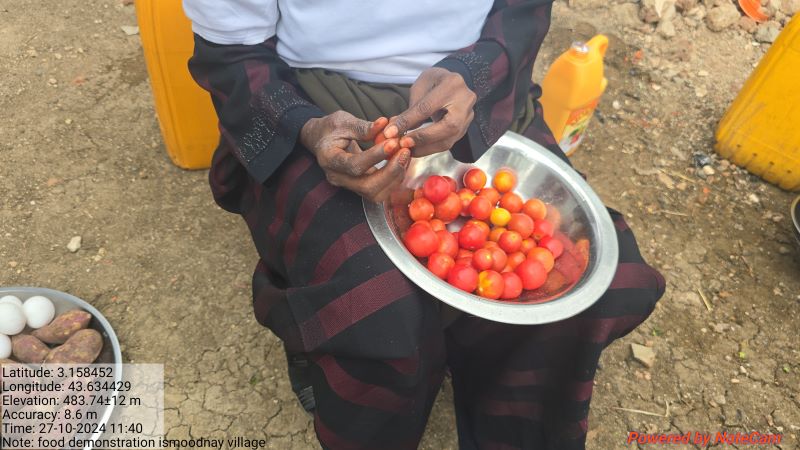
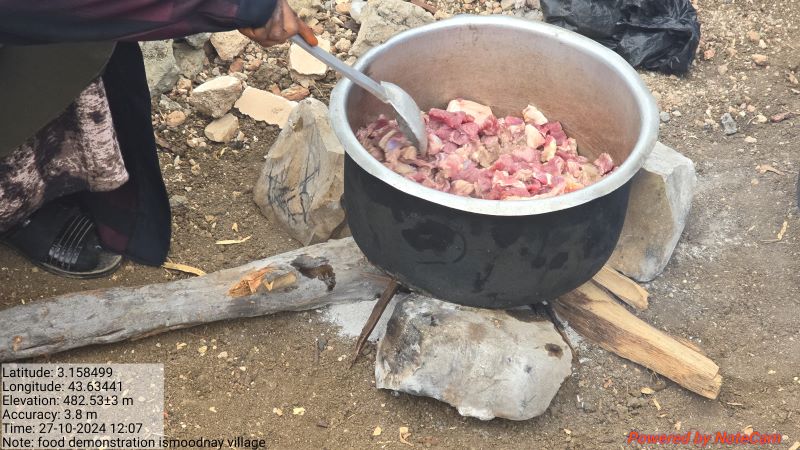
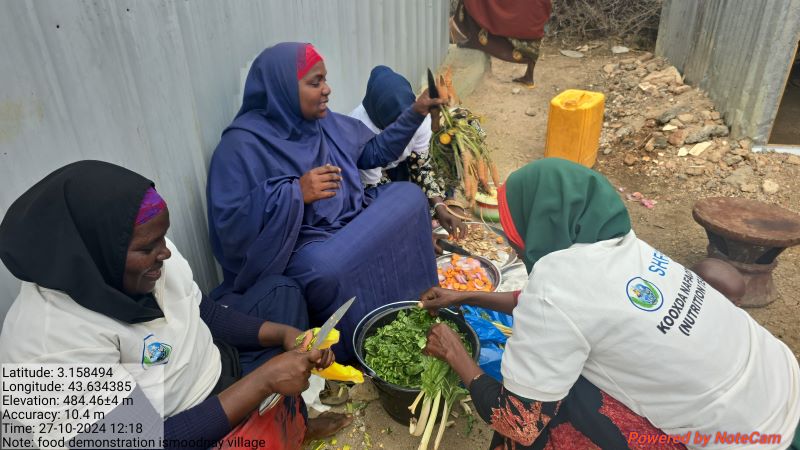
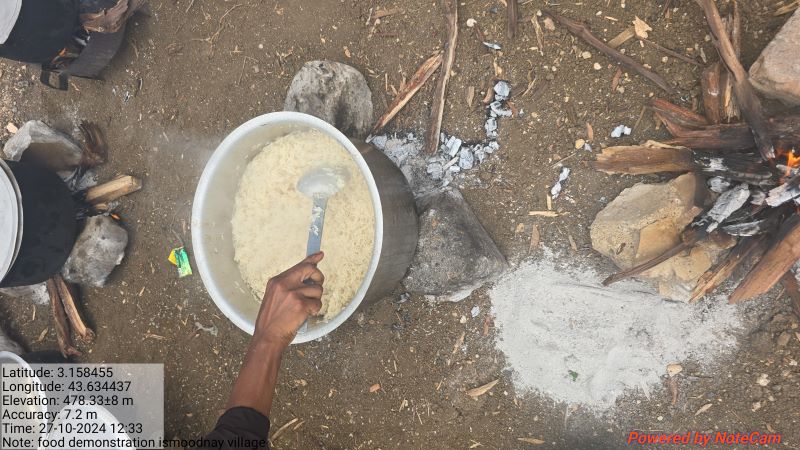
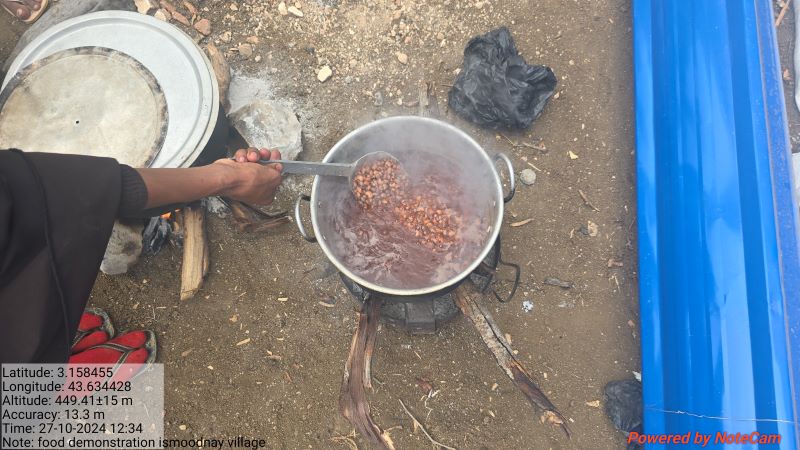
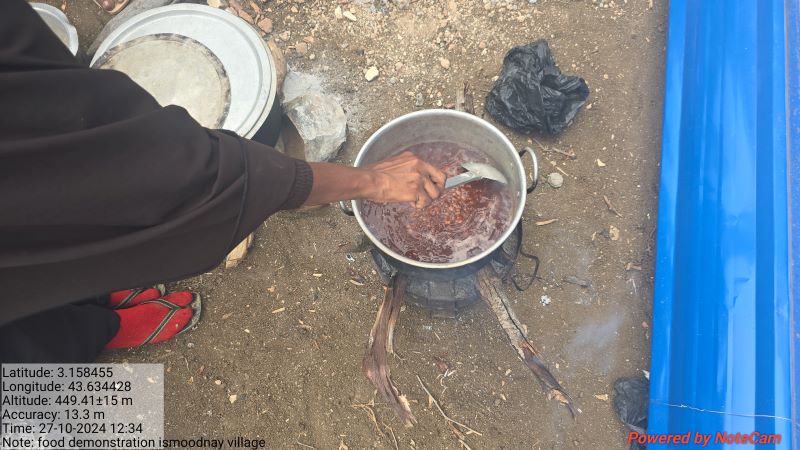
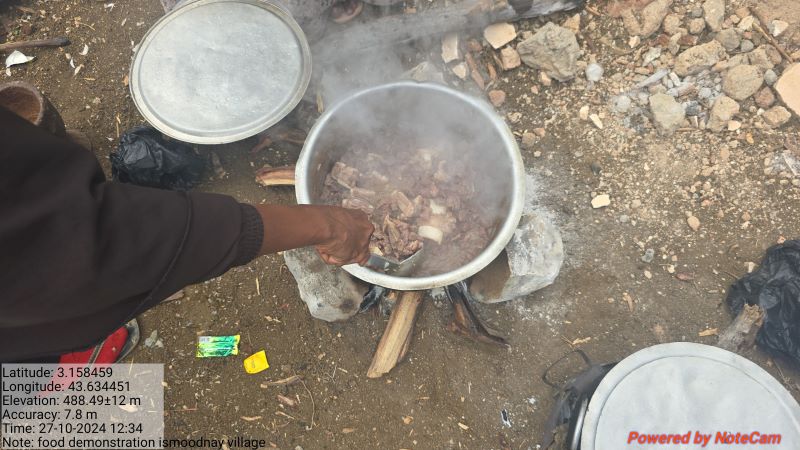
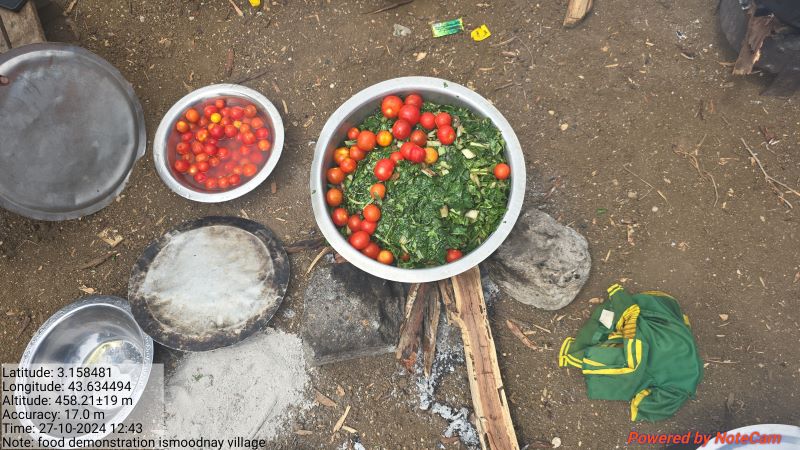
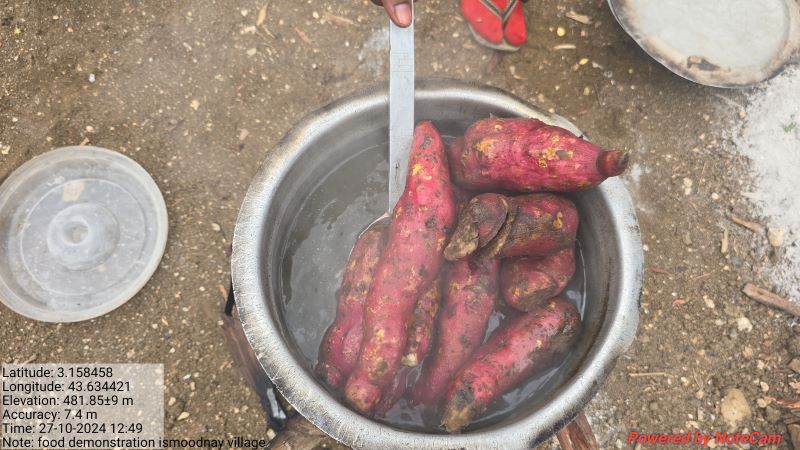
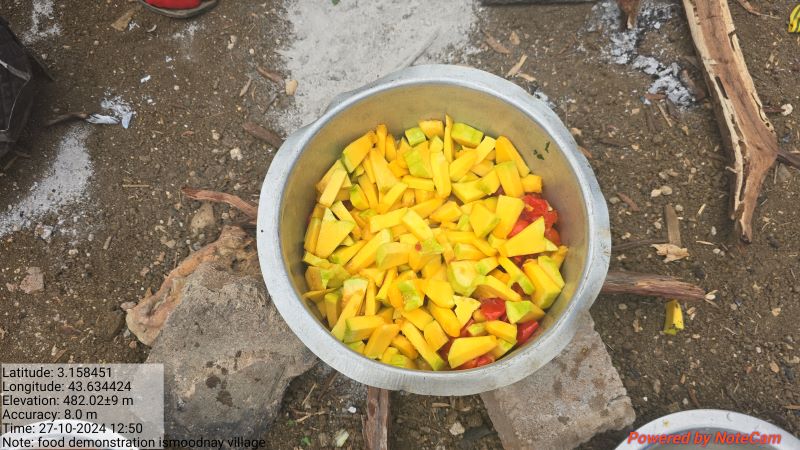
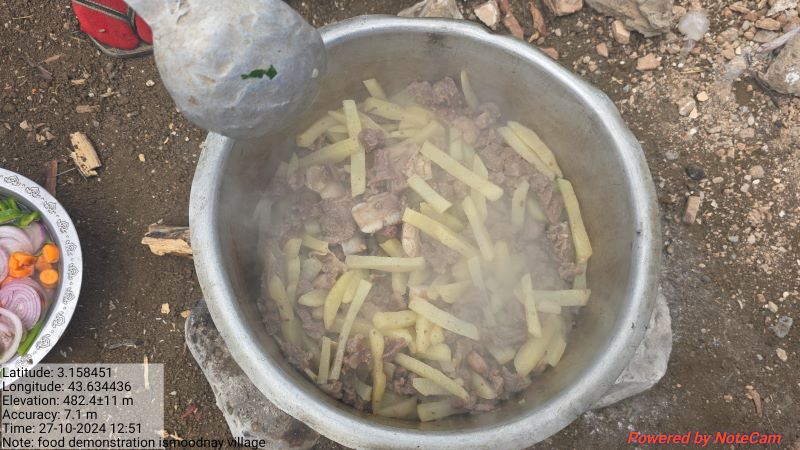
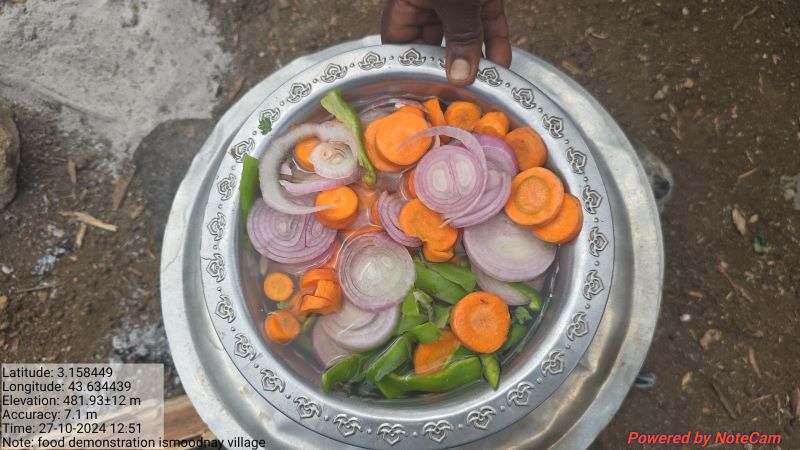
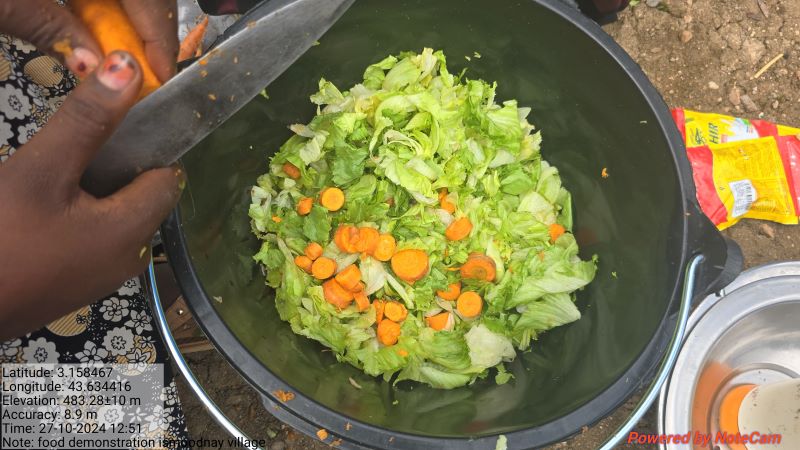
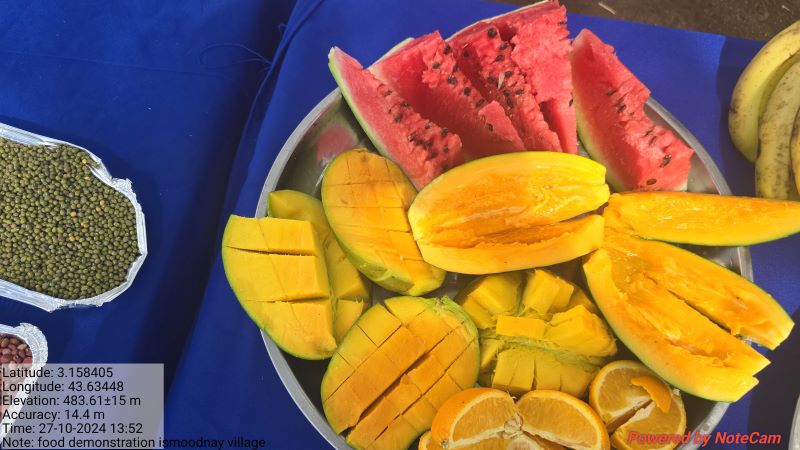
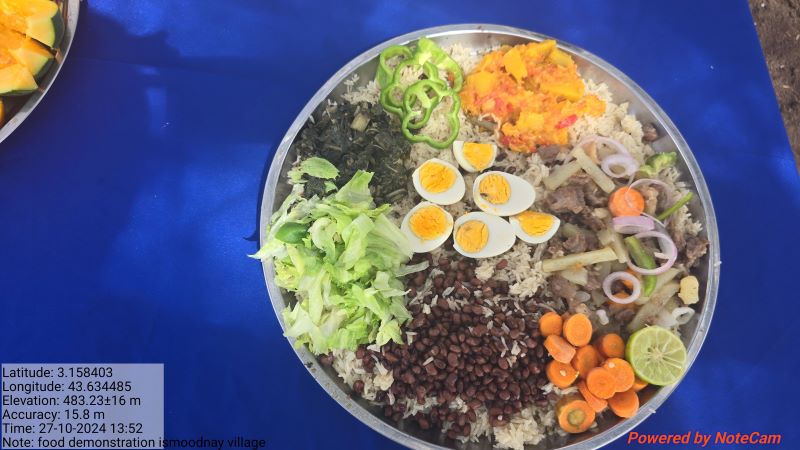
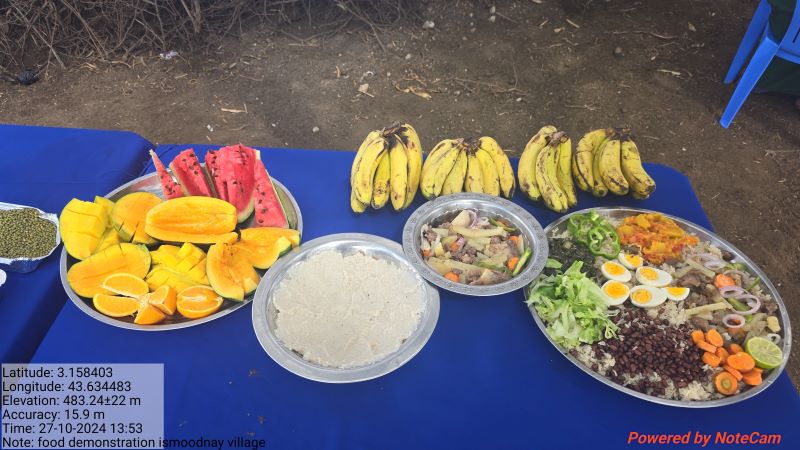
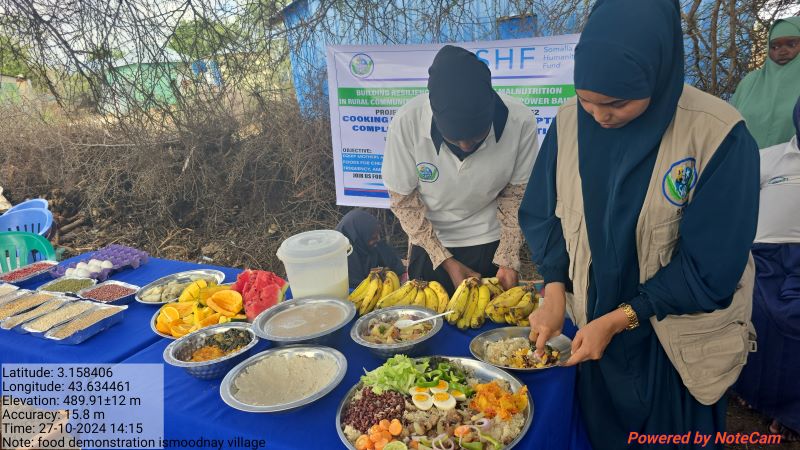
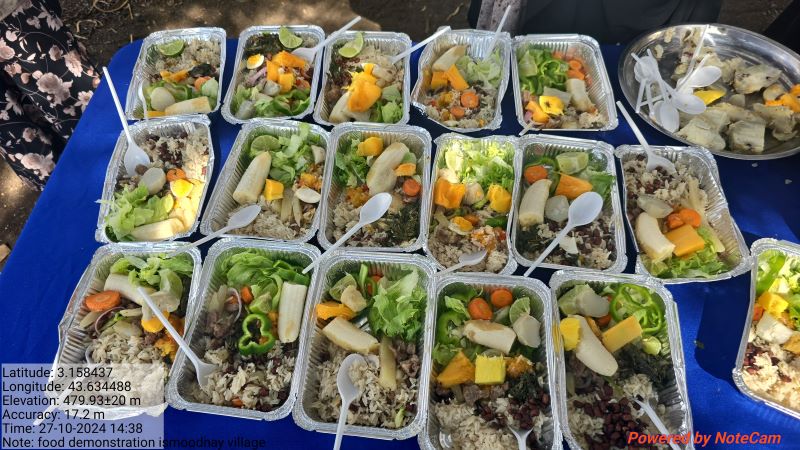
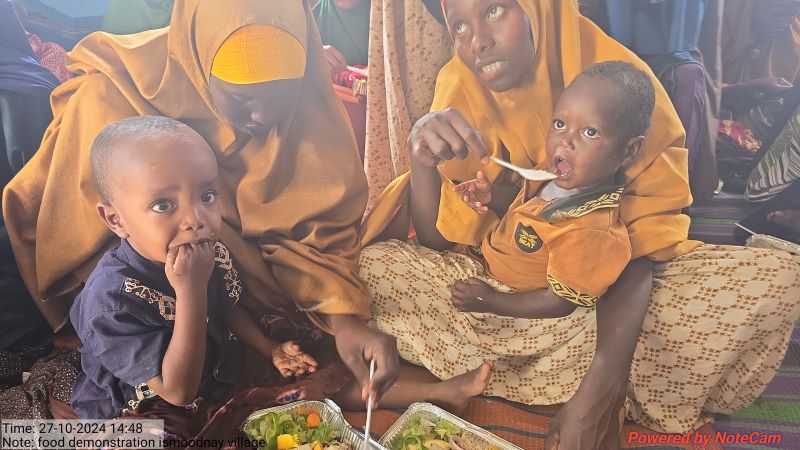
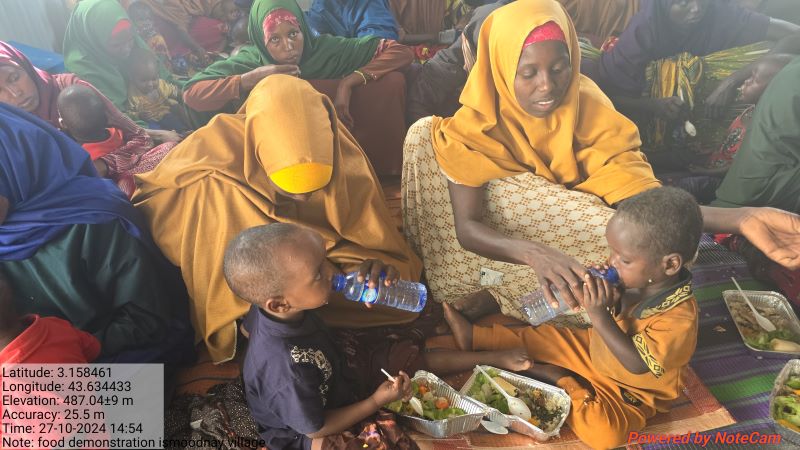
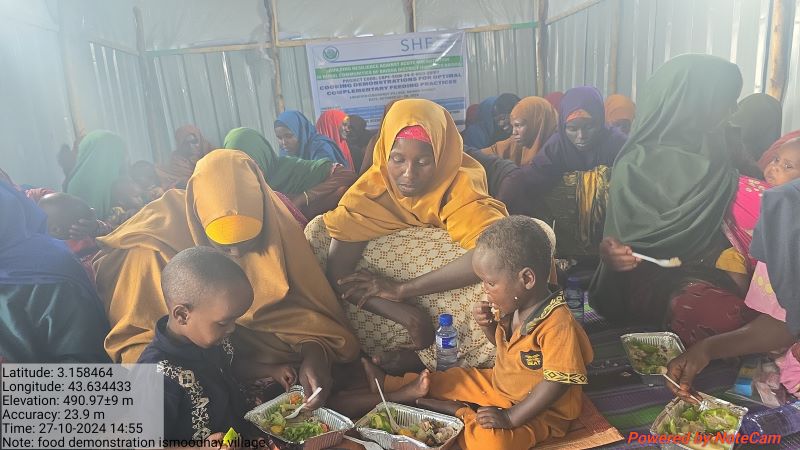
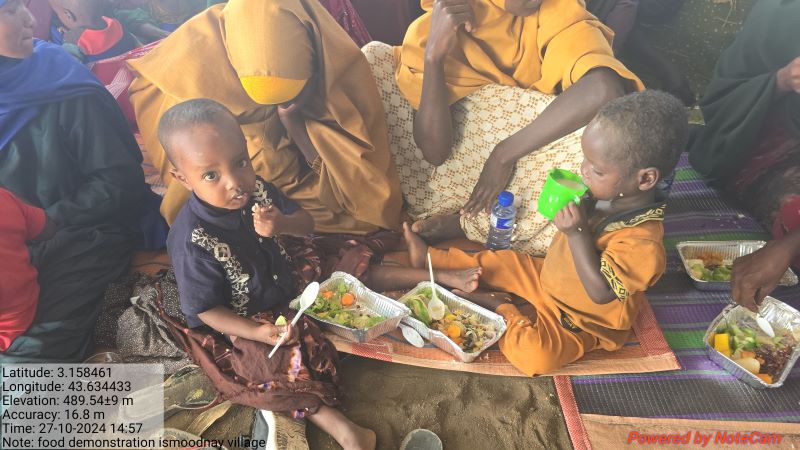
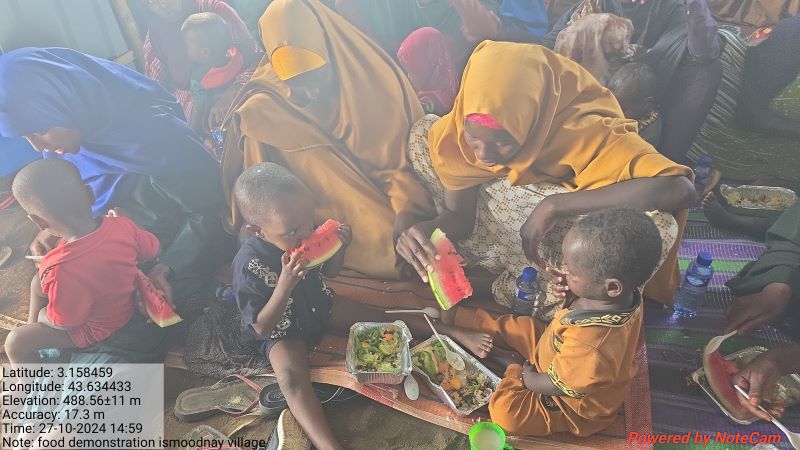
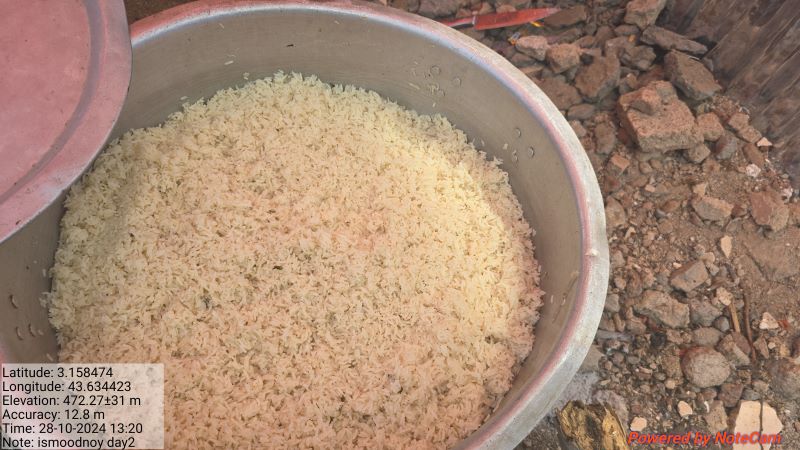
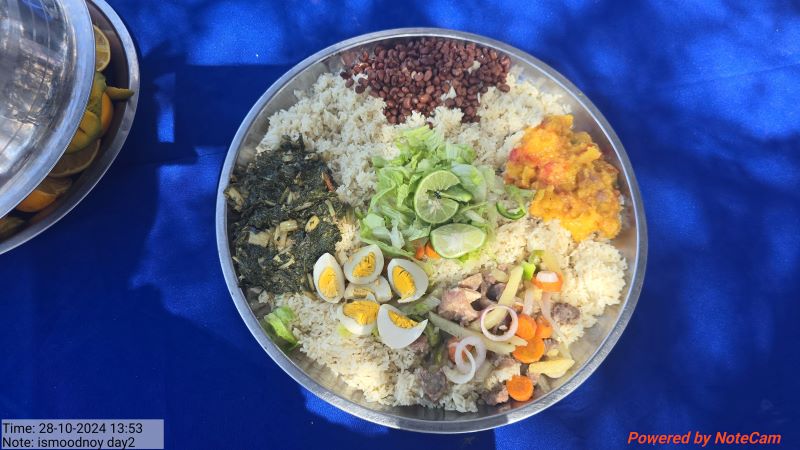
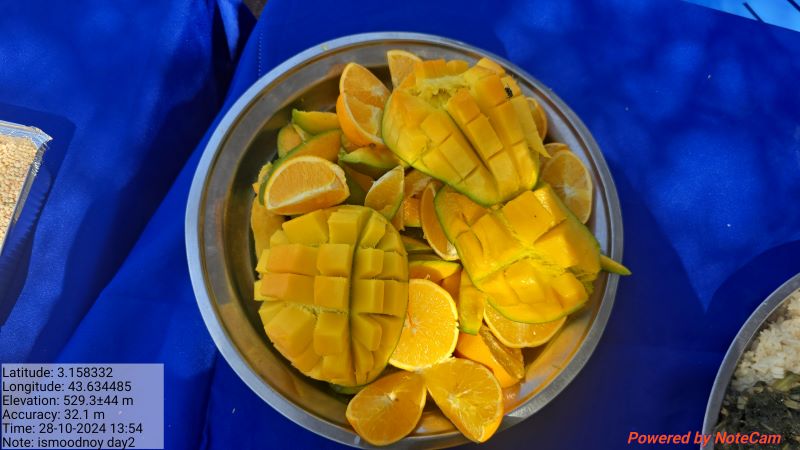
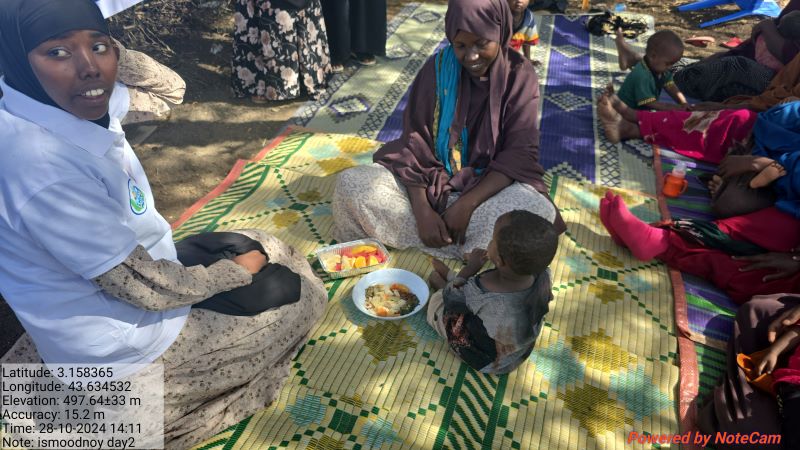
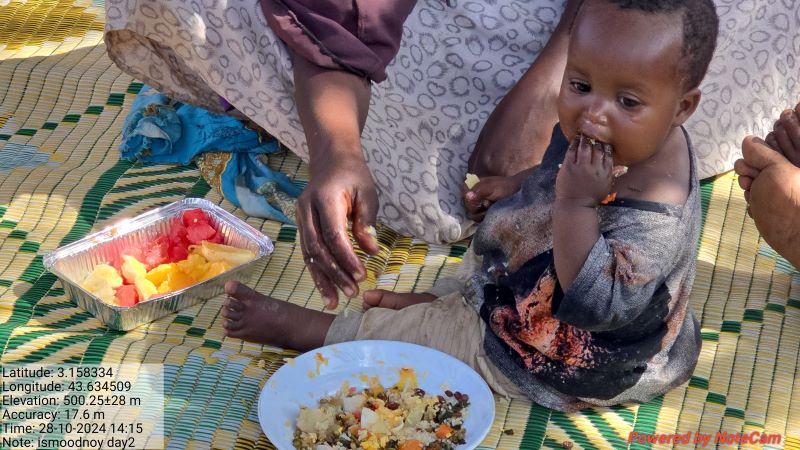
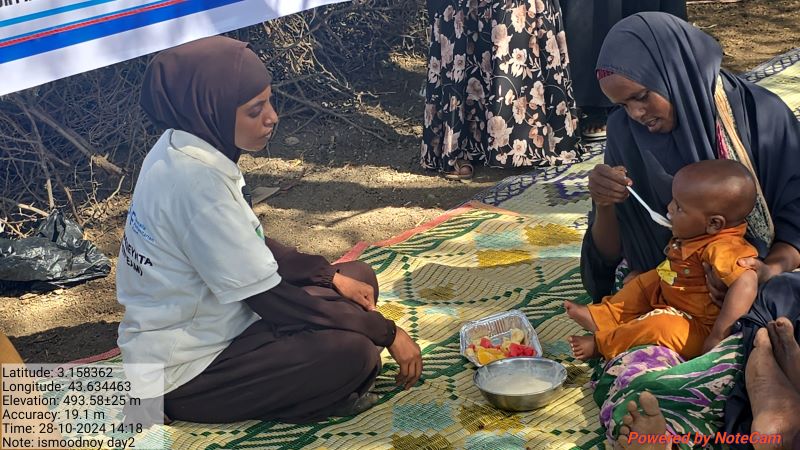
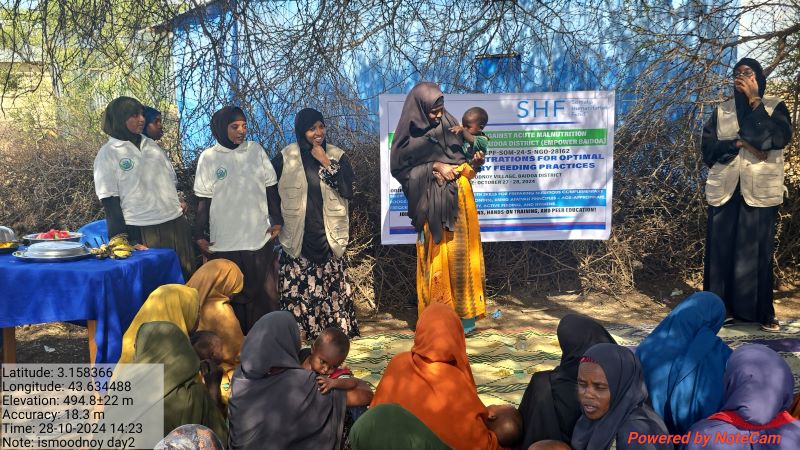
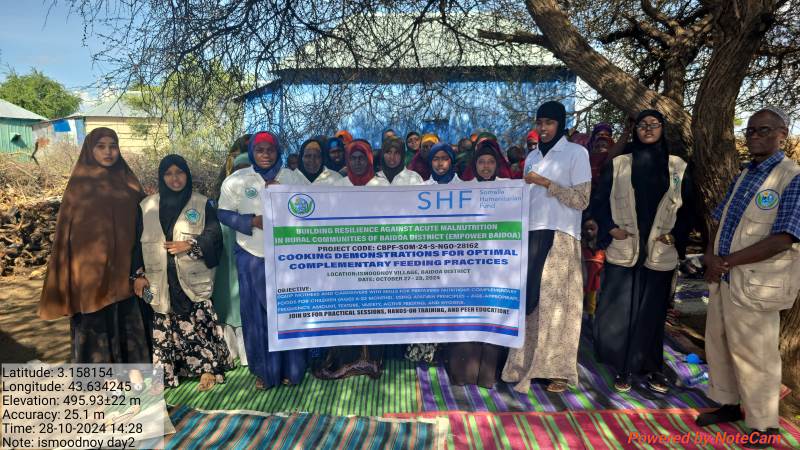
o Cooking demonstrations: Four cooking demonstrations were conducted to promote nutritious meal preparation for children.
4. Integration of Cross-Cutting Issues
o AAP, PSEA, and Child Protection: 31 nutrition staff were trained on integrating Accountability to Affected Populations (AAP), Prevention of Sexual Exploitation and Abuse (PSEA), Gender-Based Violence (GBV), and Child Protection into nutrition programming.
o Community feedback mechanisms: Three community meetings were held to raise awareness on complaint/feedback systems and child protection measures.
4.Expected Outcomes
By the end of the project, the following outcomes are anticipated:
1. Enhanced Nutrition Outcomes
o Improved prevention, detection, and treatment of malnutrition among children under five and PLW, resulting in reduced mortality and morbidity rates in Baidoa’s rural communities.
2. Strengthened Community Capacity
o Empowered caregivers and health workers equipped with the skills and knowledge to sustainably address malnutrition and promote optimal feeding practices.
3. Sustained Behavioral Change
o Increased adoption of optimal IYCF practices through the efforts of MTMSGs, FTFSGs, and community-based learning initiatives.
4. Improved Accountability and Protection
o Strengthened integration of AAP, PSEA, GBV, and Child Protection into nutrition service delivery, ensuring the safety and dignity of beneficiaries.
5. Long-term Resilience
o Communities better prepared to detect and respond to nutrition challenges, contributing to the long-term resilience of vulnerable populations in Baidoa.
Visual Content
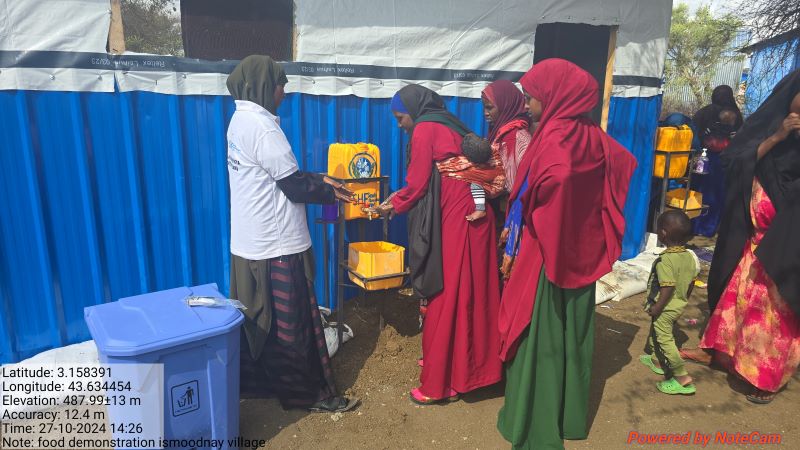
• Photos: Include images of community engagement, health facility activities, and training sessions..
• Videos: Brief clips showcasing project activities or beneficiary testimonials.